






Bihu's Anticipation Begins
Magh Bihu, also known as Bhogali Bihu, is a vibrant Assamese festival that ushers in the harvest season. While the source material focuses on the 2026
celebration, it is essential to understand the essence of this festival. Celebrated with great enthusiasm, Bhogali Bihu marks the end of the harvesting season. It is a time for feasting and community bonding, reflecting the rich cultural heritage of Assam. The festivities traditionally commence at the end of the harvesting period, providing a period of enjoyment and thanksgiving. Preparations for this auspicious occasion involve both spiritual and practical arrangements, ensuring everyone can participate and experience the warmth of the season.
The Date Unveiled
To fully prepare for Magh Bihu 2026, knowing the precise date is fundamental. Although the exact date might vary slightly based on the lunar calendar, the festival usually takes place in mid-January. It’s a time when people come together to share the bounty of the harvest and celebrate the abundance of the year. The specific date will be pivotal for planning community events, family gatherings, and traditional activities. Ensuring one is aware of the dates is the initial step toward participating fully in all the festivities that characterize this celebration. Stay updated with the local calendars to know the precise date for 2026 to ensure participation in the Bihu celebrations.
Rituals and Customs
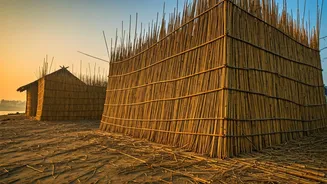
Magh Bihu is enriched with various rituals that showcase Assamese culture and traditions. The festival has significant traditional practices, including the 'Meji' and 'Bhelaghar' celebrations. The 'Meji' is a makeshift structure made of bamboo and thatch, burned on the day of Uruka, the eve of Magh Bihu. The Bhelaghar is a temporary community house created for feasting and enjoyment. The burning of the Meji is a communal act that symbolizes the triumph of good over evil and the welcoming of new beginnings. Along with these, there are other traditional activities, like community feasts, where people come together to share food and strengthen their bonds. These rituals are core to the festival, reflecting community values and a deep connection to the land.
Significance of Bhogali
Bhogali Bihu's significance goes beyond mere celebration; it is a profound expression of gratitude and community unity. This festival is a tribute to the harvest season, representing the hard work of farmers and the prosperity of the land. It provides an opportunity for Assamese communities to show their appreciation for the blessings of nature. Magh Bihu enhances a sense of belonging among community members through shared meals, cultural performances, and traditional games. The festival helps to nurture social harmony, reinforcing the bonds that weave the Assamese community together. It is a time for renewal and togetherness, where people express thanks for their blessings and hope for continued prosperity in the upcoming year.
Community and Feasting
Magh Bihu highlights communal feasting and sharing of the harvest's bounty. The Uruka night preceding Magh Bihu is especially known for large-scale community feasts where everyone participates. Traditional Assamese dishes, typically made with freshly harvested crops, are an essential part of the celebrations. These meals include a variety of dishes such as 'pitha' (rice cakes), 'laru' (sweet balls), and different fish and meat preparations. The meals are a celebration of the season's harvest and emphasize the importance of community sharing. These feasts are more than just about food; they unite people and strengthen the bonds of the community. Feasting serves as a key aspect of the cultural and social significance of the festival.
Preparation and Planning
Preparations for Magh Bihu involve comprehensive planning to ensure a successful celebration. As the date approaches, families and communities start making arrangements. Preparations include gathering essential materials for building the Meji and Bhelaghar, as well as planning the meals and cultural programs. Families often prepare traditional dishes and plan community gatherings in advance. The coordination ensures that the community celebrations run smoothly and that everyone can participate in the festivities. This detailed preparation ensures that both the religious and cultural elements are honored properly. Careful planning is key to experiencing the spirit and charm of Magh Bihu.
Cultural Performances
Cultural performances add a dynamic dimension to Magh Bihu festivities, enriching the celebration with music and dance. Traditional Assamese dance forms such as 'Bihu dance' and 'Husori' are central to the celebrations, performed with vibrant costumes and joyful music. These performances are typically showcased in community gatherings. The music, dance, and festive atmosphere are an integral part of the Bihu experience. Community gatherings include various programs, and other cultural activities are organized to show Assamese heritage and traditions. These performances provide a platform for the community to come together and celebrate their cultural identity and enjoy the festivities. Through these vibrant performances, the spirit of Magh Bihu is celebrated.