




Iron's Crucial Role
Haemoglobin, the vital protein within red blood cells, is essential for transporting oxygen throughout your body, originating from your lungs. When your body experiences
a deficit in iron, its ability to produce sufficient healthy red blood cells is compromised. This deficiency can manifest as persistent fatigue, a general feeling of weakness, and a noticeable lack of energy, even after ample rest. Consequently, maintaining adequate iron levels is paramount for robust health, enabling the body to function optimally and sustain vitality throughout the day. Foods rich in iron, such as leafy greens, lentils, beans, and various seeds, play a crucial role in ensuring the body can maintain healthy blood counts and energy reserves.
Spinach: An Iron Powerhouse
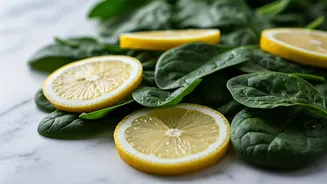
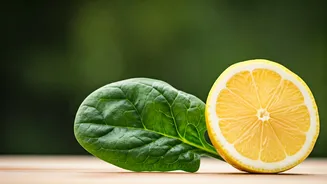
Spinach stands out as a nutritional powerhouse, offering a rich source of essential nutrients that combat iron deficiency. Beyond its iron content, this leafy green provides significant amounts of vitamins A, C, and K. These vitamins contribute not only to addressing deficiencies but also play a key role in enhancing your vision and bolstering your immune system. Furthermore, the dietary fibre present in spinach aids in promoting a healthy digestive process, contributing to overall gut health and well-being. Incorporating spinach into your regular diet is a simple yet effective strategy for boosting your body's nutrient intake and supporting various bodily functions.
Lemon's Absorption Boost
The synergy between iron-rich foods and vitamin C, abundant in lemons, significantly enhances nutrient uptake. Without sufficient vitamin C, the body struggles to efficiently absorb iron, particularly from plant-based food sources. A simple squeeze of lemon juice added to meals like lentil preparations (dal), vibrant salads, or cooked green vegetables can dramatically improve the absorption rate of iron. This accessible dietary adjustment can yield substantial positive effects over time, especially for individuals who primarily rely on plant-derived iron. Making this small change a regular practice ensures your body can better utilize the iron consumed, leading to improved haemoglobin levels and greater overall health benefits.
Effortless Meal Integration
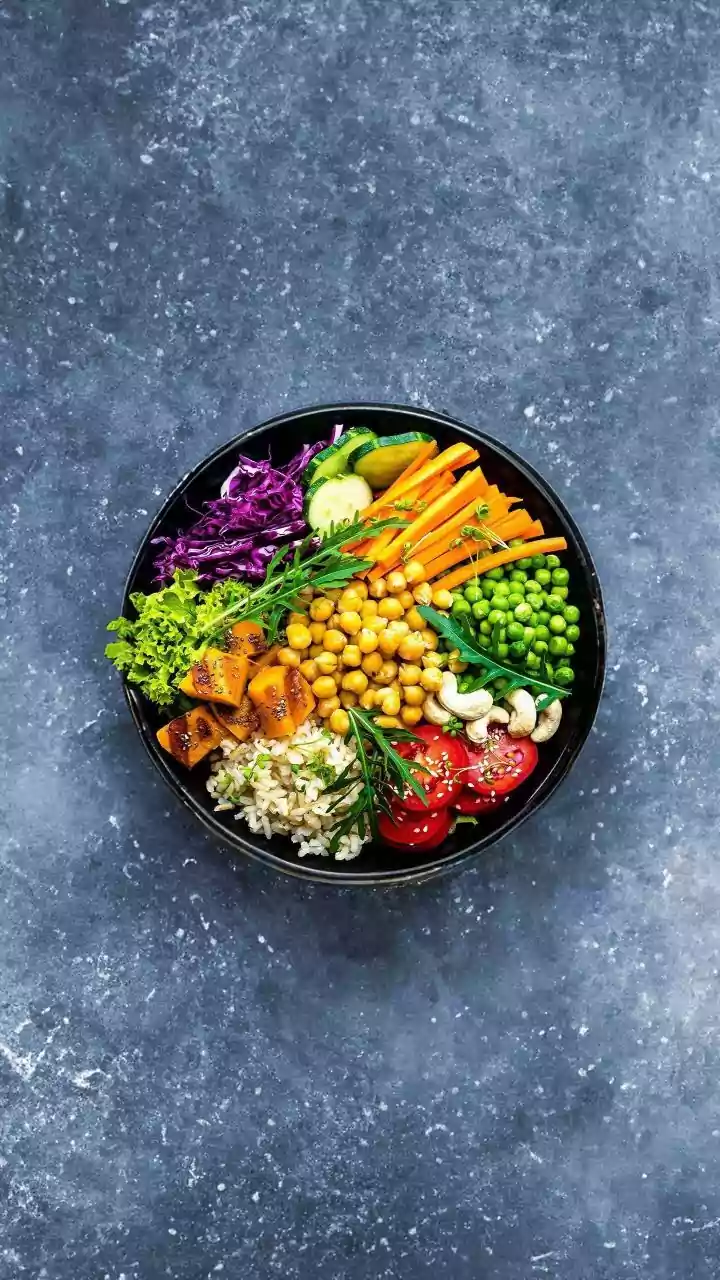
Seamlessly integrating iron and lemon into your daily meals is remarkably straightforward. You can effortlessly incorporate lemon juice by adding it to your cooked vegetables, squeezing it fresh over sprouts or salads, or by enjoying a glass of refreshing lemon water alongside your meals. Even a small drizzle of lemon over staple dishes like dal or khichdi can make a difference. The fundamental principle is to adopt this practice consistently rather than excessively. By adopting a balanced dietary approach and thoughtfully combining foods rich in iron with those high in vitamin C, you can effectively support healthier haemoglobin levels and promote long-term well-being.