






Subtle Height Loss
A gradual decrease in height is a frequently overlooked indicator of osteoporosis in men. As bone strength diminishes, vertebral compression fractures
can occur in the spine, leading to a noticeable loss of stature. Many men unfortunately dismiss this as a natural part of aging or changes in posture, failing to recognize it as a symptom of underlying bone density reduction. This silent progression means that by the time height loss is apparent, significant bone weakening may have already taken place, increasing vulnerability to further fractures. It's crucial to consult a healthcare professional if you experience unexplained shrinking, rather than attributing it solely to the passage of time.
Persistent Back Discomfort
Unexplained and persistent back pain should never be taken lightly, as it can be a sign of micro-fractures within the vertebrae, a direct consequence of weakened bones. Men often attribute this discomfort to everyday causes such as muscle strain, poor sleeping positions, or the general wear and tear associated with physical activity. However, these seemingly minor aches could signal a more serious underlying condition like osteoporosis. When the bones lose their density and integrity, they become more susceptible to stress and small fractures, even without a significant traumatic event. Ignoring persistent back pain could allow the disease to advance unchecked, leading to more severe spinal issues.
Fractures from Minor Incidents
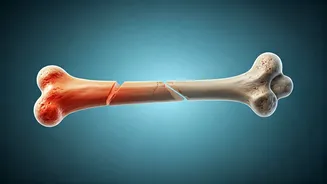
Experiencing a bone fracture from a seemingly minor fall or bump is a critical warning sign that should prompt immediate medical attention. Healthy bones possess the resilience to withstand everyday minor trauma. When a bone breaks easily, it strongly suggests that it has become significantly weakened due to conditions like osteoporosis. This is particularly true for fractures in areas like the hip, wrist, or spine. Furthermore, a noticeable decline in physical strength and balance, leading individuals to unconsciously avoid certain activities due to discomfort or fear of injury, also points towards increased fracture risk. These changes, often perceived as simple fatigue or reduced mobility, are crucial indicators of deteriorating bone health.