






Mumbai's Tech Hubs
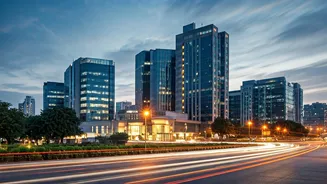
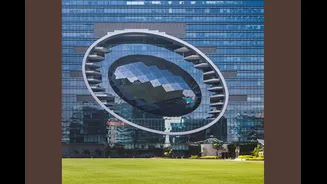
Mumbai is at the forefront of smart building innovation, boasting structures like the Capital Building and Marathon Futurex. The Capital Building showcases
advanced automated parking, superior air quality management, and a design focused on energy conservation. Similarly, Marathon Futurex employs a comprehensive building management system to orchestrate security protocols, elevator operations, water distribution, and energy usage with a high degree of automation. These developments highlight Mumbai's commitment to integrating intelligent technologies into its commercial real estate, ensuring operational efficiency and enhanced occupant experiences. The focus is on creating environments that are not only functional but also responsive to the needs of modern businesses and their employees, demonstrating a clear shift towards automated building management as a standard practice in the city's premier developments.
Delhi's Airport Intelligence
Indira Gandhi International Airport Terminal 3 in Delhi exemplifies the integration of automation in high-traffic public spaces. The terminal has embraced automation across numerous operational facets, including the seamless movement of passengers and the meticulous management of energy consumption and lighting systems. This extensive deployment of smart technology ensures a more efficient and comfortable experience for millions of travelers while significantly reducing the facility's environmental footprint. The focus here is on leveraging automation to handle complex logistical challenges inherent in airport operations, from managing crowd flow to optimizing resource usage. The result is a more responsive and dynamic airport environment that operates with a high degree of precision, underscoring the transformative impact of smart systems in public infrastructure.
Hyderabad's Green Innovations
Hyderabad stands out with its commitment to sustainable and intelligent design, as seen in the CII Sohrabji Godrej Green Business Centre and Cyber Towers. The Green Business Centre is a beacon of energy-efficient infrastructure, complemented by a robust water recycling facility and features designed for climatic adaptability, setting a benchmark for eco-conscious construction. Cyber Towers, recognized as a pioneer in smart IT facilities, has integrated its systems to create a highly efficient and connected workspace. These structures demonstrate how environmental consciousness and technological advancement can be harmoniously combined, offering operational benefits and contributing to a healthier planet. The emphasis on green features and system integration in Hyderabad's buildings reflects a forward-thinking approach to urban development and corporate environments.
Pune's Sustainable Campus
The Suzlon One Earth Campus in Pune represents a paradigm of sustainability powered by renewable energy sources. This campus is equipped with advanced devices for continuous monitoring of energy consumption and environmental impact, all managed through automation. This integrated approach ensures that the building operates at peak efficiency while minimizing its ecological footprint. The campus serves as a living example of how renewable energy and smart monitoring systems can be combined to create a truly sustainable operational model. The dedication to using green power and sophisticated monitoring technologies underscores a commitment to environmental stewardship and operational excellence, setting a high standard for corporate campuses in India.
Bengaluru's Office Efficiency
Infosys Campus in Hyderabad implements advanced automation for enhanced energy savings within its large office spaces. The campus features sophisticated air conditioning systems and automated lighting solutions, coupled with dedicated energy monitoring devices. This intelligent infrastructure ensures that energy is used judiciously, adapting to occupancy levels and natural light availability. Such measures are crucial in large corporate environments to reduce operational costs and promote environmental responsibility. By integrating these technologies, Infosys demonstrates a proactive stance on sustainability and operational efficiency, creating a more comfortable and productive work environment for its employees while minimizing resource expenditure.
Chennai's IT Solutions
DLF Cybercity in Chennai is a prime example of how IT facilities are adopting automation and energy optimization techniques to enhance functionality. The focus here is on creating smart workstations and optimizing energy usage across the entire campus. This strategic implementation of technology aims to boost productivity and reduce the environmental impact of its operations. By embracing advanced automation and energy-saving strategies, DLF Cybercity provides a model for modern IT parks that prioritize both efficiency and sustainability. The integration of these smart solutions ensures that the facilities are not only technologically advanced but also cost-effective and environmentally responsible for businesses operating within them.
Gujarat's Financial District
GIFT City Towers in Gujarat are a significant inclusion in India's financial district, characterized by their adoption of cutting-edge smart building technologies. These towers are designed to facilitate seamless operations within a dynamic financial hub, leveraging automation for enhanced efficiency and connectivity. The integration of smart systems supports the complex demands of a modern financial center, ensuring that the infrastructure is as advanced as the services it houses. This commitment to technology positions GIFT City as a leading example of intelligent urban development in India, providing a robust and technologically sophisticated environment for businesses and financial institutions operating within its precinct.
Chennai's Luxury Living
Akshaya Abov in Chennai redefines residential living by merging luxury design with sophisticated automation technologies. This high-rise building offers residents an advanced and comfortable living experience through intelligent systems that manage various aspects of home and building functions. The integration of automation enhances convenience, security, and energy efficiency, providing a modern and elevated lifestyle. By incorporating these smart features, Akshaya Abov sets a new benchmark for residential complexes, showcasing how technology can contribute to a more comfortable, secure, and sustainable living environment for its inhabitants. It highlights the growing trend of smart homes within large-scale residential developments.
Technology Adapts Environment
The increasing prevalence of smart buildings across India signifies a pivotal shift in construction and urban development. These intelligent structures are designed to dynamically adapt to their surroundings by continuously analyzing environmental data. This adaptive capability ensures optimal performance and resource management. Specialists emphasize that the implementation of such sophisticated systems not only enhances the living and working comfort for occupants but also significantly reduces operational expenses. Furthermore, these smart buildings play a crucial role in increasing the overall sustainability of urban areas, contributing to more efficient and eco-friendly cityscapes for the future.
Future of Urban Living
As India continues to prioritize effective urban infrastructure development, the construction of smart buildings is experiencing a notable surge nationwide. These structures are evolving beyond mere physical edifices to become intelligent, interconnected systems that are integral to the fabric of future urban life. They represent a proactive approach to accommodating the growing demands of city living, offering enhanced efficiency, comfort, and sustainability. The transformation of buildings into smart ecosystems is not just a trend but a fundamental reimagining of how cities will function and how people will interact with their built environment in the years to come.