



A Sanctuary of Serenity
Nestled in the upscale Malabar Hill of South Mumbai, Sminu Jindal's sea-facing bungalow is more than just a residence; it's a carefully curated environment
designed to foster a sense of peace and well-being. The home, a striking three-floor white structure, embraces an aesthetic of openness and light, accented by subtle natural elements. Large balconies offering glimpses of verdant surroundings contribute to an airy atmosphere. Jindal herself finds profound comfort in her Mumbai home, especially during the rain, stating, “The rain specifically makes me want to be here.” She also fondly recalls her childhood in a large, close-knit family, with the home serving as the vibrant backdrop for celebrations and everyday life, evoking memories of constant festivity and togetherness. These personal anecdotes underscore how expansive, light-filled spaces can become deeply intertwined with feelings of connection, cherished memories, and a sense of belonging, demonstrating that a home's emotional resonance often transcends its physical design.
Minimalism's Psychological Impact
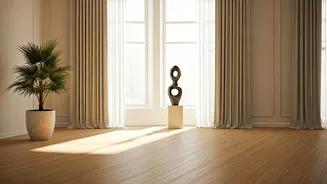
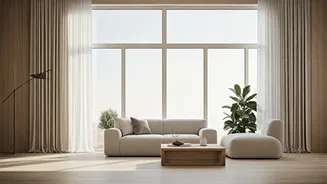
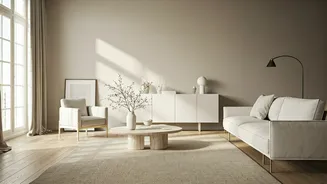
The interior design of Jindal's home expertly complements its architectural openness, employing a predominantly white palette. This restrained visual theme is thoughtfully punctuated with understated wooden and black accents found in details like doorways, shelving, and banisters. The selection of furniture is deliberately minimal and highly functional, ensuring ample space for movement and a sense of airy freedom within each room. Expansive floor-to-ceiling windows and transparent doors are integral, allowing natural light to permeate every corner, enhancing the feeling of spaciousness. The veranda, described as a 'hanging courtyard,' further blurs the lines between indoor and outdoor living. Against this serene, muted backdrop, curated artworks—including paintings, sculptures, and decorative plates—add touches of personality without overwhelming the calm ambiance. This deliberate approach to design, rooted in minimalist principles, aims to create an environment that significantly influences mood and stress levels by reducing cognitive load and fostering a sense of psychological spaciousness.
Light, Space, and Mood
The psychological advantages of open, light-filled interiors with minimal furnishings are substantial, contributing to enhanced mood, reduced stress, and overall comfort by cultivating a feeling of psychological spaciousness. When a living area is uncluttered, the brain is spared from processing excessive visual stimuli, which in turn lowers cognitive load and decreases baseline stress. This reduction in sensory overload allows the nervous system to achieve a state of greater ease, preventing overstimulation. Furthermore, the presence of abundant natural light plays a crucial role in regulating circadian rhythms, leading to improved sleep quality and better emotional balance. These design elements align closely with the core tenets of minimalism, which champions simplicity and intentionality in living. Both of these philosophies are widely recognized for their positive effects on concentration and their capacity to mitigate mental fatigue, creating a truly restorative living environment.
Spaces for Bonding
From a psychological standpoint, homes designed to accommodate large gatherings and facilitate shared experiences naturally become incubators for emotional bonding. Proximity and the act of sharing experiences are fundamental to building trust and strengthening connections between individuals. Open-plan living areas, generous dining spaces, or communal seating arrangements actively encourage conversation, shared laughter, and collective participation, all of which contribute to reinforcing interpersonal relationships over time. Such environments also serve as powerful catalysts for memory creation. Celebrations, family rituals, and even the simple moments of daily life become imprinted within a shared physical context, making them more vivid and emotionally significant. Environmental psychology posits that spaces associated with positive social interactions evolve into anchors for nostalgia and sources of emotional security. Ultimately, this consistent experience of warmth, inclusion, and connection within a home fosters a profound sense of belonging, transforming the house from a mere structure into a vessel that holds relationships, shapes identity, and provides continuity throughout life's various stages.