




A City Transformed
The Pune Grand Tour, a significant international cycling race, is transforming Pune into a modern metropolis. The event's impact extends beyond just cycling;
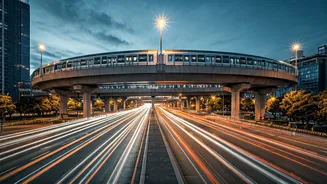
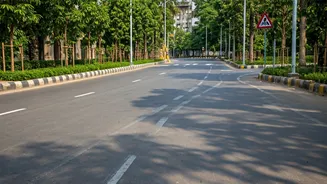
it is a catalyst for improved infrastructure. The race's deadlines push for quick development, prompting upgrades to roads, public spaces, and other vital infrastructure. This upgrade journey offers a model for other Indian cities struggling with long-delayed urban projects. The race has created a template for how sport-led deadlines can trigger much-needed improvements, addressing issues like traffic congestion and inadequate public facilities. This also raises crucial questions about whether these deadlines can effectively address neglected urban infrastructure.
Race-Driven Infrastructure
The success of the Pune Grand Tour highlights the potential of sporting events to spur urban development. The race has shown that such events can motivate local authorities to expedite projects that might otherwise be delayed. Road improvements and construction of cycling infrastructure are a direct consequence of the race's presence. There are debates regarding the sustainability and long-term planning of these infrastructural changes. Nevertheless, the Pune Grand Tour demonstrates how sports can act as a catalyst for urban development, fostering community engagement and providing a platform for positive changes.
Challenges and Debates
While the Pune Grand Tour has generated positive changes, it has also raised some challenges and triggered discussions. The rapid pace of construction to meet deadlines can sometimes compromise the quality of work. There are also concerns about whether the infrastructure created solely for the event will remain useful and well-maintained. The race acts as a case study, offering important lessons on how to balance quick urban development with careful planning and ensuring the long-term viability of the upgrades. The experience of Pune provides valuable insights into the dynamics of sport-led urban renewal.