






Taiwan's Wellness Wisdom
Taiwan, a vibrant democracy in East Asia with over 23 million people, consistently ranks high in global health. Its success is rooted in a robust, single-payer
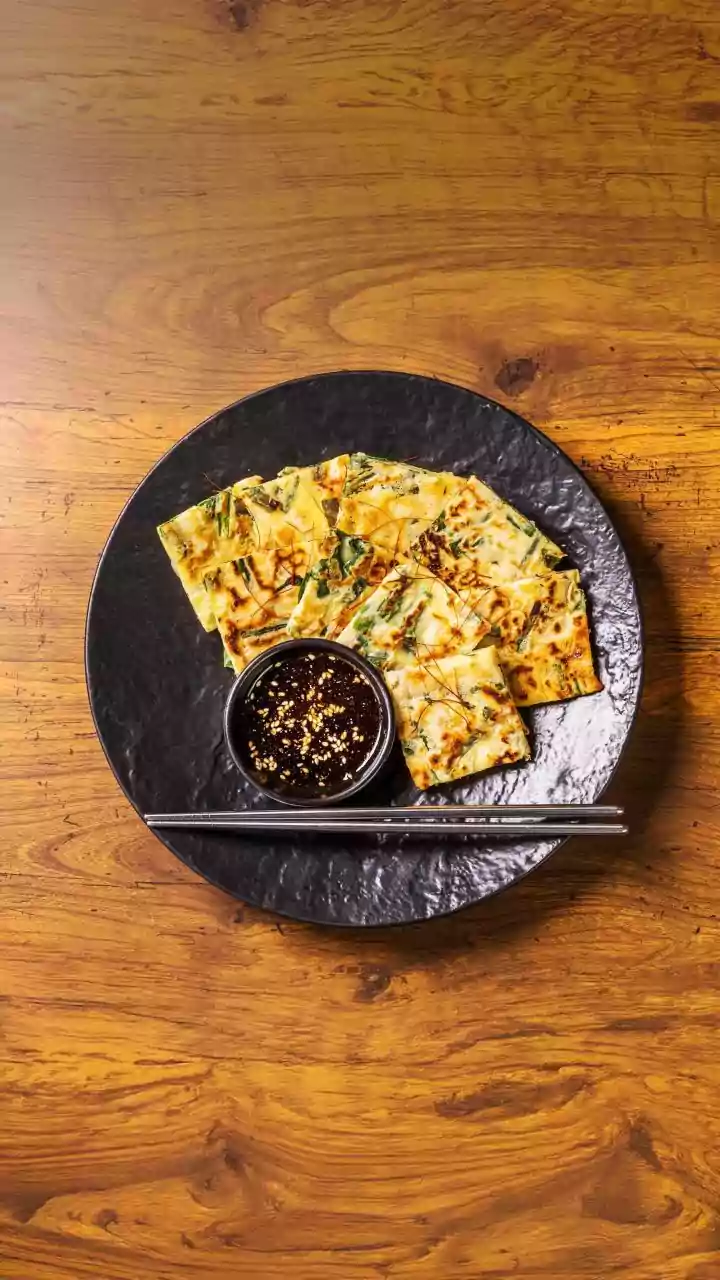
healthcare system that prioritizes prevention and accessibility. The Taiwanese diet emphasizes fresh vegetables, tofu, and soy-based products, embodying the belief that food can be medicinal, often incorporating herbal soups. With a significant vegetarian population exceeding 13%, plant-based meals are diverse and appealing. Instead of sugary drinks, Oolong and Jasmine tea are favorites. Meals are typically light, prepared through steaming or boiling, steering clear of excessive frying. Daily life encourages physical activity through extensive public transport use and a love for hiking in its mountainous terrain. Evenings at night markets foster social connection through walking, promoting a culture that values interaction over alcohol. This focus on work-life balance and traditional wellness practices contributes significantly to their overall health.
Singapore's Healthy Habits
Singapore, a gleaming city-state in Southeast Asia, is renowned for its safety, cleanliness, and sophisticated infrastructure. With a population of approximately 6.1 million, it boasts a high GDP per capita and a tropical climate. Its culinary scene is a rich tapestry of Chinese, Malay, and Indian influences. The government actively promotes healthier eating through "Healthier Choice" labels and campaigns for reduced sugar intake. A key dietary guideline is the balanced plate system, allocating 50% to fruits and vegetables, 25% to grains, and 25% to protein. Staples include steamed fish, nourishing soups, and stir-fried vegetables. Living in a high-density environment is facilitated by excellent public transport, encouraging pedestrian activity. Preventive healthcare programs and regular health screenings are integral to the nation's strategy. Despite the prevalence of air-conditioned indoor spaces, well-maintained green parks offer opportunities for relaxation and light activity, integrating nature into urban living.
Japan's Longevity Diet
Japan, an island nation in East Asia comprising over 14,000 islands, is celebrated for its exceptional life expectancy and advanced technology. Its capital, Tokyo, is a bustling metropolis, but the nation's allure also lies in its rich traditions and stunning landscapes. The traditional Japanese diet, known as Washoku, centers on fresh, seasonal ingredients. A cornerstone of their eating philosophy is "Hara Hachi Bu," the practice of stopping when one feels 80% full, promoting mindful consumption. Fish, seaweed, soy products, and green tea are daily staples. Fermented foods like miso and natto are embraced for their gut health benefits, while processed foods and excessive sugar are largely avoided. Daily life is inherently active, with walking, cycling, and gardening contributing to fitness. Strong community bonds and social connections are vital. Practices like "Shinrin-yoku" (forest bathing) are incorporated to manage stress, alongside a deep-rooted emphasis on hygiene and proactive healthcare.
Israel's Mediterranean Approach
Israel, a diverse and technologically forward democracy in West Asia, is home to nearly 9.8 million people. Its cultural and economic hubs are Jerusalem and Tel Aviv, respectively. The Israeli diet largely follows the principles of the Mediterranean diet, rich in olive oil, abundant vegetables, and legumes. Popular and healthy dishes include Israeli salad and hummus, reflecting a preference for fresh, seasonal produce. A significant portion of the population embraces vegetarianism, contributing to healthier eating patterns. Breakfasts are typically nutritious, featuring eggs, salad, and cheese. Social life is deeply intertwined with food, with communal eating and Sabbath meals playing a crucial role in strengthening family and community ties. The government actively promotes healthy food labeling and raises public awareness about nutrition, underscoring a strong national focus on food safety and dietary education.
Switzerland's Active Lifestyle
Nestled in Central Europe, Switzerland is a landlocked nation defined by its majestic Alps and Jura Mountains, offering a high quality of life to its roughly 9 million residents. This federal republic, with four official languages, values neutrality and efficiency. Its diet features high-quality dairy products, with cheese and yogurt being prominent. Birchermüesli, a blend of oats, fruits, and nuts, is a common breakfast choice. While chocolate is a national delight, it's consumed in moderation. There's a strong preference for seasonal and locally sourced foods. Traditional dishes like fondue and raclette are enjoyed but typically in controlled portions. Outdoor activities are central to Swiss life, with hiking and skiing being extremely popular. An efficient public transportation system encourages walking and active commuting. Combined with a pristine environment, high safety standards, and a strong emphasis on work-life balance, these factors contribute to the nation's overall mental and physical well-being.