





The Fit Paradox Uncovered
A striking case from Hyderabad highlights a concerning reality: a 37-year-old man, adhering to a rigorous fitness routine of running 5 km daily, abstaining
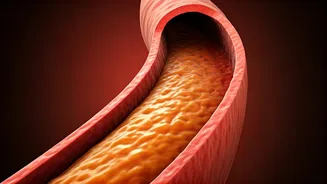
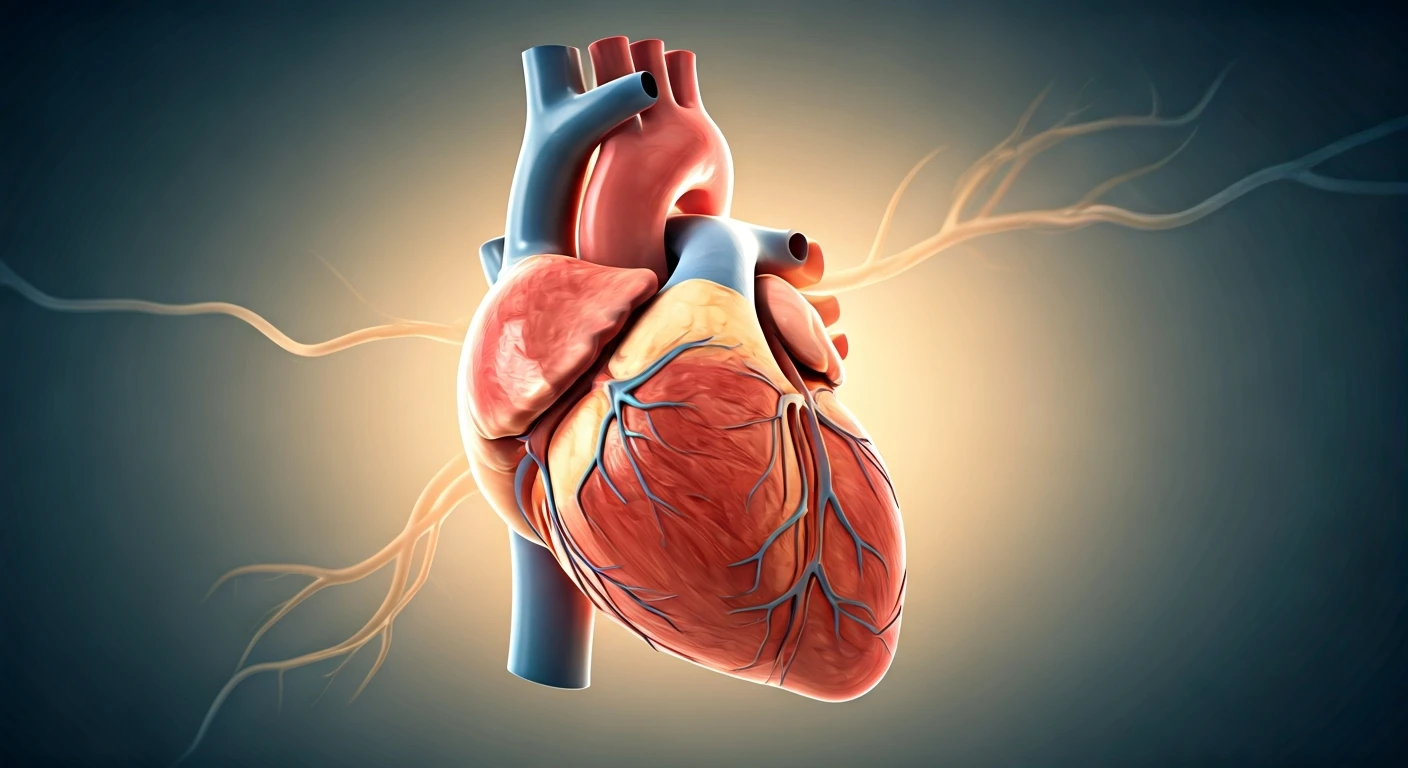
from junk food and vices, and maintaining regular sleep, still required two heart stents. This scenario, shared by cardiologist Dr. Syed Akram Ali, underscores that traditional markers of a healthy lifestyle are not always sufficient to prevent severe cardiac events. The individual presented with chest pressure and left arm heaviness, leading to an angiography that revealed significant blockages necessitating intervention. This situation challenges the common perception that physical activity alone is a foolproof shield against heart disease, prompting a deeper examination of factors that might be contributing to such outcomes despite outward signs of health and fitness.
Genetics: The Silent Architect
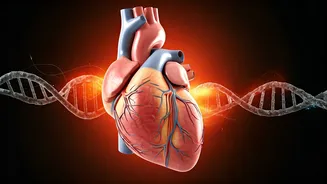
Dr. Ali identifies genetic predispositions as a primary 'silent killer' in heart health. He emphasizes that a family history of early heart issues, specifically in fathers or uncles, can elevate an individual's risk by two to three times, irrespective of their current fitness level, weight, or activity. This inherent genetic factor plays a crucial role in arterial health. Furthermore, a specific type of cholesterol known as Lipoprotein(a) (Lp(a)) is highlighted as a particularly dangerous, genetically determined particle. Unlike standard cholesterol tests that measure LDL and HDL, Lp(a) levels are not routinely checked but can significantly accelerate artery clogging even when other lipid profiles appear perfectly normal. This genetic susceptibility means that adherence to a healthy lifestyle might not fully mitigate the risk for some individuals.
Stress, Sleep, and Inflammation's Toll
The modern corporate lifestyle and its inherent stress levels are significant contributors to heart problems, even for those who exercise. Dr. Ali points out that simply running 5 km doesn't equate to effective stress management. Chronic stress can elevate adrenaline and blood pressure, leading to increased inflammation and the formation of microplaque within arteries. Compounding this issue is poor sleep quality, often exacerbated by prolonged screen time until late at night. Such sleep deprivation induces metabolic strain, raises cortisol levels, thickens the blood, and can destabilize existing plaque. Additionally, hidden inflammation, often measured by markers like HS-CRP, is prevalent even in fit individuals and accelerates arterial damage, a factor frequently missed in standard medical checkups. These interconnected factors create a challenging environment for cardiovascular health.
Rethinking Fitness and Essential Tests
The perception that robust fitness alone guarantees clean arteries is a misleading belief. Heart disease is a complex interplay of genetic factors, lifestyle choices, inflammation, stress, sleep patterns, and metabolic health, as Dr. Ali explains. To gain a more comprehensive understanding of cardiovascular risk, he recommends specific tests for all Indians above 25. These include Lipoprotein(a), HS-CRP (for inflammation), ApoB, HbA1c, fasting insulin, Vitamin D levels, and Homocysteine. For those experiencing symptoms, a TMT (treadmill test) is advised, and individuals over 35 should consider a Coronary Calcium Score. Dr. Parin Sangoi, an interventional cardiologist, corroborates that these advanced tests can identify early plaque formation even before symptoms manifest, offering a proactive approach to preventing heart disease.