






New Jeju Entry Rules
The Indian Embassy in Seoul has released an important advisory for Indian nationals planning to visit Jeju Island under its visa waiver program. This comes
in the wake of an incident where an Indian content creator alleged being detained for 38 hours and denied entry upon arrival. The primary objective of this advisory is to proactively minimize any potential inconveniences, such as entry refusal or repatriation, for Indian travelers arriving at Jeju Island. The embassy emphasizes that entry under the Jeju visa-free facility is strictly for short-term tourism purposes. It is crucial for all visitors to understand that the final decision on admission to the Republic of Korea rests solely with the immigration authorities at Jeju International Airport, who operate in strict accordance with Korean laws. The visa waiver scheme does not automatically guarantee entry, even if travelers possess all valid travel documents, underscoring the need for thorough preparation and adherence to all outlined requirements.
Mandatory Travel Documents
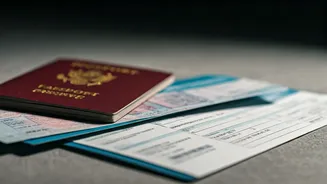
To ensure a smooth entry into Jeju Island under the visa waiver scheme, Indian travelers must meticulously prepare and carry a specific set of mandatory documents. It is imperative that all required paperwork is presented in printed form, as mobile screenshots will not be accepted by immigration officials. Key documents include a confirmed return air ticket, ensuring your departure from the island. Additionally, you must have hotel reservations that cover the entirety of your planned stay. A detailed day-wise travel itinerary is also required, outlining your planned activities and movements on the island. Proof of sufficient funds is essential; this can be demonstrated through recent bank statements, international credit cards, or foreign exchange. Your passport must be valid for at least six months beyond your intended stay. While not strictly mandatory, travel insurance is strongly recommended to cover any unforeseen circumstances. You will also need to provide contact details for your accommodation. Failure to present these documents or provide clear explanations about your travel plans can lead to denial of entry.
Financial Preparedness & Interviews
Immigration authorities in Jeju are keen on ensuring that visitors have adequate financial resources to support their stay. Travelers are advised to demonstrate that they have sufficient funds to cover daily expenses, accommodation, and transportation throughout their visit. During the immigration process, visitors may be questioned about their travel plans and their financial capacity. It is crucial that the answers provided are consistent with the stated tourism objectives of the visit. Interviews are a standard part of the arrival process, and visitors should be prepared to respond clearly, truthfully, and calmly to all questions posed by immigration officers. Familiarity with your itinerary and accommodation details is vital. Immigration officers will assess whether visitors can satisfy their requirements for entry; an inability to do so may result in the denial of entry. This thorough vetting process aims to ensure that all visitors are genuine tourists with the means to support themselves during their stay.
Jeju Only, No Mainland Travel
A critical point highlighted by the Indian Mission is that the Jeju visa waiver exclusively permits travel to Jeju Island and does not grant permission to travel to mainland South Korea. Attempting to travel from Jeju to the mainland without obtaining the appropriate visa for mainland entry is illegal. Such an action can lead to serious consequences, including potential future travel bans to South Korea. It is imperative that travelers understand and respect these limitations of the visa waiver program. If an entry refusal occurs, passengers will be placed on the next available flight operated by the same airline that brought them to Jeju. Depending on flight schedules, individuals may be required to stay temporarily in a designated holding facility until their departure.
Embassy Assistance and Vlogger's Ordeal
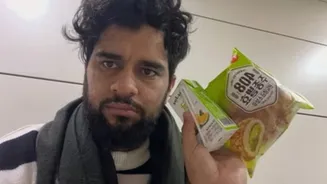
The recent advisory from the Indian Embassy is directly influenced by an incident where an Indian vlogger, Sachin Awasthi, shared his experience of being detained for 38 hours on Jeju Island after being denied entry. He described his conditions as jail-like, with limited access to necessities and alleged pressure to book an expensive return ticket. While the embassy acknowledges that immigration decisions are within the sovereign authority of the host country and states it cannot overturn such decisions, it has pledged to seek assistance to ensure reasonable support for Indian nationals encountering difficulties at the airport. The embassy has also provided contact details for its Consular Wing and an emergency helpline for those facing such issues. This episode serves as a stark reminder of the importance of thorough preparation and adherence to the rules of Jeju's visa waiver program.