





Healthcare Overhaul Unveiled
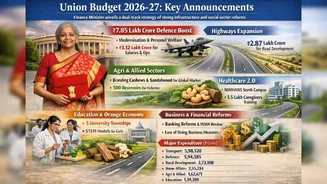
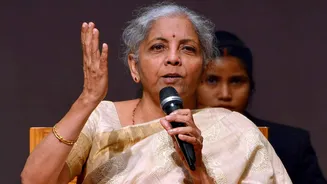
The Union Finance Minister introduced a comprehensive healthcare plan within the recent budget, setting in motion initiatives to enhance the nation's healthcare infrastructure
and workforce. This strategic move concentrates on several critical areas, encompassing allied health professionals, the provision of geriatric care, and the promotion of medical value tourism. The plan details the establishment of five regional medical hubs, designed to integrate various healthcare services under one roof. Furthermore, it includes a large-scale training program focused on allied health professionals and caregivers, alongside efforts to strengthen the traditional medicine sector, specifically Ayurveda. These measures are designed to enhance the healthcare system's capacity to deliver quality care, cater to evolving healthcare needs, and enhance India's appeal as a premier destination for medical services, generating numerous new job prospects in the process.
Allied Health Professionals Drive
A core objective of the budget is to substantially enhance the number of allied health professionals (AHPs). These professionals are crucial in supporting doctors across various medical fields, from diagnostics and therapy to critical care and behavioural health. The government aims to add one lakh allied health professionals over the next five years, which is a proactive measure to address persistent workforce gaps found in hospitals and clinics throughout the country. This effort includes upgrading existing institutions and establishing new AHP institutions in both public and private sectors. Training will be provided in ten selected disciplines, including fields such as optometry, radiology, anaesthesia technology, operation theatre technology, applied psychology, and behavioural health. This expansion is designed to build a robust workforce capable of meeting the demands of modern healthcare and improving patient outcomes.
Geriatric Care Support System
The budget explicitly prioritizes the establishment of a robust care system, specifically catering to geriatric and allied care services. This involves the creation of a framework for training multi-skilled caregivers, aligned with the National Skills Qualifications Framework (NSQF). These caregivers will be equipped to provide core caregiving services alongside allied skills such as wellness yoga and the operation of medical assistive devices. Over the coming years, the government intends to train 1.5 lakh caregivers, signaling a strong commitment to supporting the needs of the aging population and the requirements for long-term care. This program acknowledges the rising demand for specialized care services and aims to provide comprehensive support for the elderly.
Medical Hubs & Tourism Boost
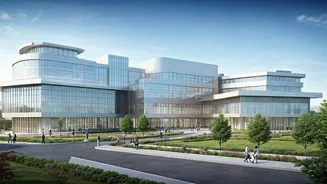
To position India as a key player in medical value tourism, the budget suggests a novel scheme to assist states in establishing five regional medical hubs, in collaboration with the private sector. These hubs are envisioned as integrated healthcare complexes, bringing together medical education, research facilities, diagnostics, post-care, and rehabilitation services. Moreover, these hubs will incorporate AYUSH centers and medical value tourism facilitation units, creating employment opportunities for doctors, allied health professionals, and support staff. The government's vision emphasizes creating an attractive environment for medical tourists while also fostering the growth of the healthcare sector, creating diverse job roles to provide holistic healthcare delivery. This strategy anticipates the rising demand for specialized care and integrated healthcare delivery, making India a global destination for medical tourism.
Ayurveda's Rising Prominence
The budget underscores the government's intention to strengthen the role of traditional medicine, especially Ayurveda. Inspired by the global recognition gained by yoga and the growing acceptance of Ayurveda, the plan incorporates measures to boost this sector. These include the establishment of three new All India Institutes of Ayurveda (AIIA), upgrading AYUSH pharmacies and drug testing laboratories to meet higher certification standards, and expanding the WHO Global Centre for Traditional Medicine in Jamnagar. These steps are designed to promote evidence-based research, training, and awareness. This strategic thrust highlights the commitment to integrate traditional medical practices within the broader healthcare ecosystem, supporting its global visibility and fostering its growth, making a significant impact on healthcare.