
UN's Current Struggles
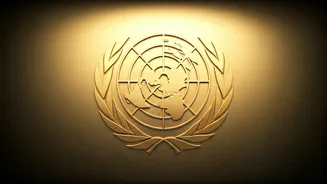
The United Nations, designed to ensure global peace and security, faces significant challenges today. Recent events, such as the Russia-Ukraine war and the crisis
in Gaza, have tested its ability to mediate and enforce its resolutions. The perception of the UN has shifted, with many viewing it with cynicism. Questions arise concerning its credibility and capacity to influence global affairs effectively. The organization's struggles raise questions about its future role in an increasingly complex and fractured world, making it crucial to assess its strengths, weaknesses, and potential for renewal.
India's Historical Influence
India has a rich history of shaping the UN and its principles. Its role in the decolonization era, advocating for the rights of developing nations, and its contributions to peacekeeping operations underscore its commitment to the UN's ideals. India's leaders, including U Thant, played key roles in the organization's evolution, shaping its focus on global cooperation and conflict resolution. This historical involvement demonstrates the nation’s deep-rooted interest in multilateralism and its commitment to a rules-based international order. Understanding India's past contributions is vital to recognizing its potential impact on the UN's future direction and effectiveness.
Forgotten Postcolonial Era
The UN had a period of notable influence in the postcolonial era, which is often overlooked. This period saw the UN actively involved in promoting self-determination and assisting newly independent nations. Forgetting this chapter means losing valuable lessons in international cooperation and the UN's capacity to address global challenges. During this time, the UN played a vital role in conflict resolution and peacekeeping efforts, showcasing its ability to mediate disputes and build consensus among diverse nations. Recalling this past is crucial to understanding the UN's true potential and how it can regain its relevance in the current geopolitical landscape.
India's Renewed Importance
In today’s divided world, India's role within the UN has gained renewed significance. As a large and influential democracy, India can serve as a bridge-builder, advocating for a more inclusive and equitable international order. The country can promote dialogue among various nations and help the UN address critical issues like climate change, poverty, and sustainable development. India's commitment to multilateralism, coupled with its growing global influence, positions it to contribute to the UN's effectiveness. By actively engaging in diplomacy and proposing innovative solutions, India can play a key role in shaping the future of global institutions.
Trump's 'Board of Peace'
The invitation to India to be part of Trump's Board of Peace raises complex questions about the UN's role in the current political climate. This invitation highlights the ongoing debate over international cooperation and the role of major powers in global governance. It prompts a re-evaluation of the UN's importance as an institution and India's position in global discussions. Navigating this issue requires a deep understanding of the diverse global interests and India's potential to bridge these divides. It underscores the necessity of a nuanced approach to global cooperation in the face of changing geopolitical dynamics.
Gaza and Ukraine Impact
The UN's inability to prevent or resolve the conflicts in Gaza and Ukraine has brought criticism to the organization. These situations highlight the complexities and constraints on the UN's effectiveness. They underscore the need for reform and a renewed commitment to its founding principles. Addressing these failures requires a critical look at the UN's decision-making processes, peacekeeping capabilities, and the willingness of member states to cooperate. Analyzing the UN's actions during these crises offers valuable insights into the organization's strengths, weaknesses, and potential for improvement in a world facing increasingly complex conflicts.
Remaking the UN
An expert explains that India's role in remaking the UN into something that helps prevent world war is profound. This statement highlights the potential for significant change driven by India's actions within the institution. It suggests the need for strategic interventions that could enhance the UN's capacity to resolve conflicts and promote stability. The phrase 'remaking the UN' signifies an opportunity for substantial reforms, focusing on inclusivity, efficiency, and a strengthened commitment to international law. India can provide a vision of the UN as an effective instrument for peace and cooperation.
Future Geopolitical Role
Looking ahead, India is positioned to become a major player in shaping the UN. India can strengthen multilateralism, mediate conflicts, and promote economic development. Its growing influence and commitment to global cooperation allow it to lead efforts in climate action, sustainable development, and global health. This leadership can inspire other nations, reinforcing the UN’s authority. Recognizing its potential contributions to the UN is important. India can work to make the UN a more effective instrument for peace and security in a changing world.