


Bumps: A Culinary Compass
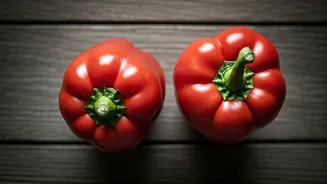
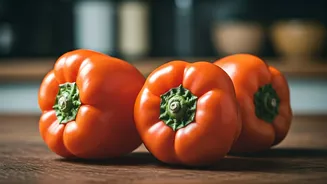
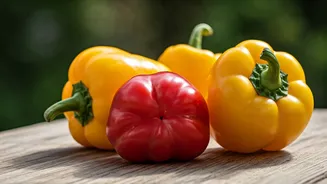
A simple kitchen trick suggests a capsicum's destiny lies in its bumps: four for sweetness and raw enjoyment, three for cooking. While the number of lobes
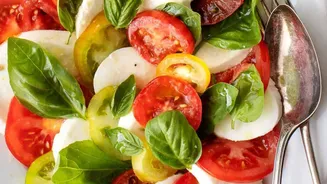
isn't the sole determinant of sweetness, there's a correlation worth exploring. Four-lobed capsicums often boast a sweeter profile due to thicker walls and potentially more sunlight exposure, leading to higher sugar concentrations. This natural sweetness makes them a fantastic choice for vibrant salads and raw preparations. Conversely, three-lobed varieties tend to be firmer and possess a slightly more robust, less sweet flavour. Their denser structure makes them exceptionally well-suited for the heat of cooking methods like stir-frying, grilling, or sautéing, as they maintain their integrity beautifully.
Nutrition and Lobe Count
When it comes to nutritional value, the number of bumps on a capsicum doesn't appear to hold significant scientific weight. Both three-lobed and four-lobed capsicums are powerhouses of nutrients, rich in essential vitamin C, beneficial antioxidants like beta-carotene, and vital dietary fibre. The real game-changers for nutrition and flavour are the capsicum's ripeness and colour. Generally, red and yellow capsicums are more mature and contain higher levels of antioxidants, along with a sweeter taste, irrespective of how many lobes they have. Green capsicums, being less ripe, typically have a slightly bitter edge and lower sugar content.
Heat's Effect on Flavor
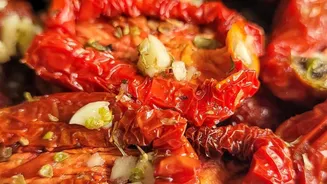
The transformation of a capsicum's flavour under heat is remarkable. Cooking acts as a catalyst, breaking down natural sugars and softening cellular structures. This process effectively reduces any inherent bitterness and amplifies sweetness. For capsicums that are already naturally sweet, like the four-lobed varieties, the application of heat can deepen their flavour profile, bringing out delightful caramelised notes. For those with a firmer texture and a hint of bitterness, heat proves to be an excellent mellowing agent, making them more palatable and enjoyable when incorporated into cooked dishes.
Choosing Your Capsicum
Beyond the fascinating bump count, colour serves as another reliable indicator when selecting the perfect capsicum. Green variants signify immaturity and a tendency towards bitterness, whereas yellow, orange, and red varieties denote full ripeness and a naturally sweeter taste. Always opt for capsicums with a glossy, firm surface; this visual cue is a strong signifier of freshness and ensures you're getting the most nutrient-dense produce. So, the next time you're navigating the produce aisle, let the bumps guide your choice: four for sweet, raw delights, and three for robust, flavourful cooked creations.