
Strategic Economic Alignment
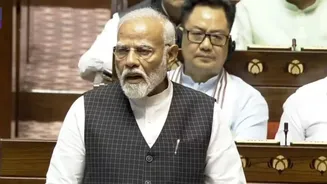
India's External Affairs Minister, EAM Jaishankar, underscored the importance of closer economic ties between India and the European Union to mitigate
global economic risks. The partnership would enable both entities to navigate turbulent global markets more effectively. This would also enhance resilience against unforeseen economic downturns and geopolitical uncertainties. The EAM highlighted that the strategic alignment between India and the EU transcends mere economic gains, as it also fosters political stability and collaborative approaches to global challenges. Shared values, like a commitment to democracy, rule of law, and sustainable development, are crucial in strengthening this partnership. Economic cooperation is not just about trade, it's also about technological innovation, sustainable practices, and strategic coordination in various sectors. This multifaceted approach is key to de-risking the global economy, as envisioned by Jaishankar.
Bolstering Global Resilience
The concerted efforts of India and the EU to reinforce the global economy include diversifying supply chains, reducing dependence on single entities, and promoting a more equitable global financial system. The partnership also concentrates on supporting developing countries and ensuring access to essential resources, such as vaccines and energy, for all nations. Moreover, this collaboration involves coordinating responses to emerging crises and working together to stabilize volatile markets. Both India and the EU, understanding their shared interests in promoting global stability, can work together to develop joint strategies for climate action and sustainable development. These steps will not only bolster the resilience of their own economies but also contribute to a more secure and predictable global environment. Through cooperative actions, they can collectively mitigate vulnerabilities and foster a robust framework for international trade and investment. Such initiatives underline their commitment to a multilateral world order based on cooperation and mutual benefit.
Fostering Shared Prosperity
The objective of economic collaboration between India and the EU is to accelerate growth, create jobs, and raise living standards for citizens on both sides. This cooperative model encourages investments in crucial sectors, such as infrastructure, renewable energy, and digital technologies, which drive innovation and productivity gains. By facilitating trade and investment flows, the EU-India partnership unlocks new opportunities for businesses and consumers alike. The partnership boosts the competitiveness of both economies in the global marketplace, helping them to compete and thrive. Increased cooperation in areas like education and skill development enhances human capital, creating a skilled workforce that can meet the demands of the modern economy. This fosters shared prosperity, promoting inclusive growth, and ensuring that the benefits of globalization are widely shared.
Navigating Future Challenges
As the global economic landscape changes, India and the EU must proactively address evolving challenges, including climate change, cybersecurity threats, and disruptions in supply chains. Both entities can collaborate to accelerate the transition towards a green economy by investing in renewable energy and developing innovative technologies. Tackling cybersecurity concerns will require sharing best practices and establishing robust protection mechanisms. The partnership must also build resilient supply chains, reducing vulnerabilities and ensuring the smooth flow of goods and services. India and the EU need to work together to reform international financial institutions, making them more representative and responsive to the needs of developing countries. By addressing these challenges, the partnership can create a more secure and prosperous future for both regions.
A Path Forward
Looking ahead, India and the EU will need to intensify their dialogue and cooperation to achieve their economic goals. This involves regular high-level meetings, joint working groups, and collaborative projects that drive economic activity. Emphasis should be placed on leveraging each other’s strengths to create a dynamic and mutually beneficial economic relationship. To bolster business confidence and promote investment, the creation of a favorable regulatory environment is essential. To enhance trade, both parties should work towards removing trade barriers and streamlining procedures. Ultimately, by maintaining their dedication to mutual growth, innovation, and global collaboration, India and the EU can secure a prosperous and stable future for all.