

What is LPG?
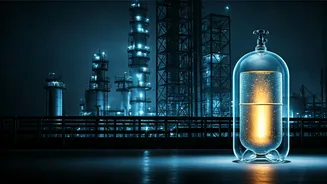
Liquefied petroleum gas, commonly known as LPG, is a versatile fuel composed primarily of propane (C₃H₈) and butane (C₄H₁₀). These hydrocarbons are naturally
gaseous at ambient temperatures and pressures but can be transformed into a liquid state by applying moderate compression. Importantly, LPG doesn't exist as a standalone substance in nature; rather, it is found intrinsically mixed within both crude oil deposits and natural gas reserves. Its usability hinges on a comprehensive processing phase that separates and refines these components from their natural origins.
The Dual Origins
LPG's journey begins in two primary geological sources: the processing of natural gas and the refining of crude oil. When natural gas is extracted from the earth, it contains a mixture of gases, including methane, which is the main component used for pipeline distribution, and heavier hydrocarbons like propane and butane. Specialized processing plants are designed to meticulously separate these heavier elements from the methane, collecting them as the foundational elements of LPG. Simultaneously, in oil refineries, crude oil undergoes a process known as fractional distillation. This involves heating the crude oil to high temperatures, causing its various components to vaporize and then condense at different boiling points. Propane and butane, having relatively low boiling points, are captured during this stage as part of the broader petroleum mix, ultimately contributing to LPG production. Globally, approximately 60% of LPG is derived from natural gas processing, while the remaining 40% is a byproduct of oil refining.
Step-by-Step Production
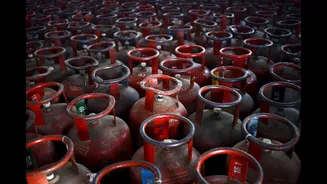
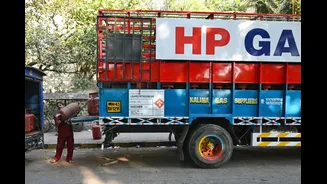
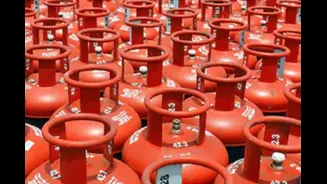
The transformation of raw hydrocarbons into usable LPG involves a structured five-step process. It commences with the extraction and initial separation of natural gas and crude oil from their subterranean sources, directing them to processing facilities. Natural gas separators efficiently remove methane, designated for pipeline transport, leaving behind the richer, heavier hydrocarbon gases. Concurrently, crude oil is heated in refineries, separating its components based on their boiling characteristics. Following this initial separation, the heavier hydrocarbon streams undergo fractionation and purification. Advanced technologies, including refrigeration and sophisticated separation techniques, are employed to isolate pure propane, butane, and isobutane from other gaseous byproducts. This stage also rigorously removes impurities like water, hydrogen sulfide, and carbon dioxide. The purified gases are then liquefied under moderate pressure, typically around 8 bar, a crucial step that significantly enhances their ease and safety for storage and transportation. Finally, this liquefied gas is stored in large pressurized tanks before being transferred to bottling plants. Here, it is filled into the familiar cylinders used for domestic cooking and various commercial applications. From these plants, the filled cylinders embark on their final leg of the journey, distributed via road, rail, tankers, or pipelines to reach local distributors and ultimately, millions of end consumers.
LPG's Crucial Role
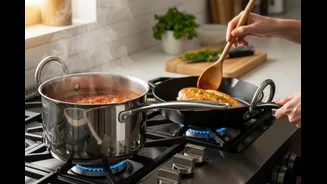
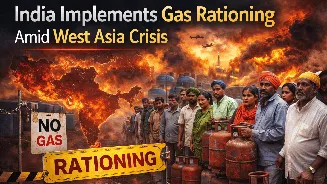
For a vast number of households across India, LPG cylinders serve as the primary and most essential cooking fuel. Given that LPG's origins are intrinsically linked to the global extraction of crude oil and natural gas, its availability and cost are profoundly susceptible to international market dynamics. Geopolitical tensions, such as those affecting West Asia and critical shipping routes like the Strait of Hormuz, can directly influence crude oil and natural gas prices. These fluctuations then ripple through to domestic LPG prices and the stability of its supply chain within India. Consequently, Indian policymakers and industry analysts meticulously monitor global energy flows and international conflicts. Their attention is vital because any disruption or volatility in these global markets can have a direct and tangible impact on the everyday energy expenses and accessibility for citizens.