






Spice and Your Body
Delving into the world of spicy vegetarian dishes reveals a spectrum of effects on the human body. Consultant dietitian Garima Goyal highlights that when
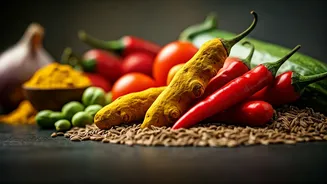
meals are thoughtfully prepared with a base of whole grains, lentils, vibrant vegetables, aromatic herbs, and traditional Indian spices, they can offer significant health advantages. Spices like turmeric, known for its anti-inflammatory prowess, cumin, coriander, ginger, and garlic all contribute potent antioxidant properties. Furthermore, capsaicin, the compound responsible for the fiery kick in chili peppers, has been linked to potential benefits such as boosting metabolism, enhancing blood circulation, and even helping to regulate appetite. A diet rooted in plant-based foods, rich in legumes, diverse vegetables, and abundant fibre, is a well-established champion for promoting a healthy gut microbiome, assisting in cholesterol management, and ensuring stable blood sugar levels throughout the day.
Navigating Spice Sensitivity
While the allure of spice is undeniable, it's crucial to acknowledge that daily consumption of intensely spicy food isn't a one-size-fits-all scenario. For individuals who are already prone to digestive discomforts like acid reflux, gastritis, irritable bowel syndrome, or hemorrhoids, an overload of spice can unfortunately exacerbate symptoms. Excessive heat can irritate the delicate lining of the gastrointestinal tract, leading to heightened heartburn or general discomfort. The crucial distinction here, as highlighted by Goyal, lies between food that is merely 'spiced' for flavour and balance versus food that is 'overly spicy' to the point of being detrimental. Understanding this difference is key to enjoying spicy vegetarian cuisine without adverse effects. It emphasizes a personalized approach to dietary intake, rather than a blanket endorsement of extreme heat.
The Art of Indian Spice
Traditional Indian culinary practices offer a masterclass in the artful use of spices. In this cuisine, spices are not employed solely to impart heat but are meticulously chosen for their digestive properties and their ability to create a harmonious balance of flavours and bodily effects. When Indian vegetarian meals are prepared with mindful attention to moderation in oil usage, an adequate inclusion of dietary fibre, and carefully calibrated spice levels, they transform into dishes that are both exceptionally gut-friendly and densely packed with essential nutrients. This approach underscores a philosophy where flavour and wellness are intrinsically linked, proving that spicy can indeed be synonymous with healthy when executed with knowledge and tradition. The emphasis is on thoughtful preparation.
Adaptation and Overall Diet
The human body possesses a remarkable capacity to adapt to the nuances of spice consumption over time. Many individuals find that with consistent, moderate exposure, they can comfortably tolerate a certain level of heat, especially if their underlying gut health is robust. Ultimately, whether vegetarian food is spicy or not, its inherent nutritional value and wholesomeness depend significantly on how well it is balanced within the overall diet. As Goyal advises, the paramount focus should consistently remain on responsible portion control, an individual's specific digestive tolerance, and the general quality of the dietary intake. This perspective shifts the conversation away from simply the presence of chili peppers and towards a more holistic understanding of healthful eating that considers all components of a meal and its impact on the body.