







Smooth Driving Habits
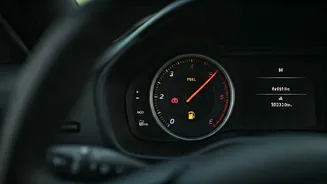
Transform your driving style for better mileage by embracing a smoother approach. This involves consciously avoiding abrupt acceleration and sudden braking,
which are significant fuel drains. Instead, focus on maintaining a consistent, steady speed, particularly when navigating highways or open roads. Such a driving technique not only conserves fuel by preventing unnecessary engine strain but also contributes to the longevity of your vehicle's components. By making this a regular practice, you'll notice a tangible reduction in your fuel expenses over time, proving that subtle changes behind the wheel can yield substantial savings.
Tire Pressure Matters
Ensuring your tires are adequately inflated is a surprisingly impactful way to improve your car's fuel efficiency. Under-inflated tires create greater rolling resistance, compelling your engine to expend more energy and, consequently, more fuel to move the vehicle forward. Regularly checking and maintaining the recommended tire pressure, as specified in your car's manual or on the driver's side doorjamb, is crucial. Beyond just enhancing mileage, properly inflated tires also contribute significantly to your vehicle's overall safety and extend the lifespan of your tires, offering a dual benefit of economy and security.
Shed Unnecessary Weight
The principle of 'less is more' applies directly to your car's fuel consumption. Carrying excess weight forces your engine to work harder, demanding more fuel to propel the vehicle. Take a moment to declutter your car, especially the boot, and remove any heavy items that you don't regularly need. Even seemingly minor items can add up, and reducing the overall load your car carries can lead to a noticeable improvement in your fuel economy. Keeping your vehicle as light as possible is a simple yet effective strategy for maximizing your mileage.
Regular Car Servicing
The health of your engine is intrinsically linked to its fuel efficiency, making regular servicing an indispensable aspect of maintaining optimal mileage. A well-maintained engine operates at peak performance, consuming less fuel. This includes ensuring vital components like air filters are clean and that the engine oil is fresh, along with other routine checks and maintenance. A car that hasn't been serviced regularly is likely to be less efficient, leading to increased fuel consumption. Prioritizing timely maintenance ensures your car runs smoothly and saves you money at the pump.
Gearing for Efficiency
Optimizing your gear selection is a key element in maximizing fuel efficiency. It’s important to use the correct gear for the given driving conditions. Avoid keeping the engine at high RPMs for extended periods in lower gears, as this can be wasteful. Instead, aim for smooth gear shifts at appropriate times. By selecting gears that allow the engine to operate within its most efficient range, you can significantly reduce fuel consumption while maintaining optimal performance and a comfortable driving experience.
Minimize Engine Idling
Letting your car's engine idle for prolonged periods is a direct waste of fuel. Modern vehicles are designed to use very little fuel when restarting, making it a sensible practice to switch off the engine if you anticipate being stationary for more than a minute. This could be while waiting for someone, at a long traffic signal, or before heading into a short errand. Adopting this habit can contribute to substantial fuel savings over time, directly enhancing your car's overall mileage and reducing unnecessary emissions.
Smart Trip Planning
Strategic planning of your journeys can have a significant impact on your car's fuel efficiency. Frequent short trips, especially those involving stop-and-go traffic, tend to deplete fuel reserves more rapidly. To counter this, try to consolidate multiple errands into a single outing. Additionally, making an effort to avoid commuting during peak traffic hours can lead to a smoother drive with less idling and braking. Planning your routes in advance also helps in selecting the most efficient path, saving both time and fuel resources.