
Duty Exemption Announced
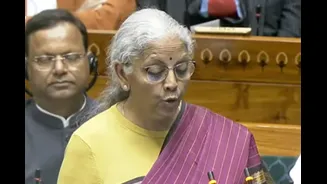
The Union Budget 2026-27, presented by Nirmala Sitharaman, contained a pivotal announcement regarding healthcare provisions. A key highlight was the exemption
of customs duty on 17 cancer drugs. This initiative is designed to lessen the financial load on individuals grappling with cancer and broaden their access to essential medicines. The government's decision signals its commitment to enhancing healthcare affordability and providing crucial support to those in need. This move is a step towards ensuring that life-saving treatments are more attainable for a larger segment of the population, which can lead to improved health outcomes and a more equitable healthcare system. The implications of this exemption extend beyond immediate cost savings, potentially influencing the broader pharmaceutical market and encouraging further innovation in cancer treatment.
Impact on Patients
The exemption of customs duty on cancer drugs is poised to deliver significant benefits to cancer patients across India. By reducing the import costs, the prices of these vital medications are expected to decrease, making them more affordable for patients and their families. This financial relief can alleviate some of the stress associated with cancer treatment, allowing patients to focus on their recovery and well-being. Furthermore, improved affordability can ensure that more patients can access the required medications without financial constraints, leading to improved treatment adherence and better health outcomes. The measure can also encourage patients to seek timely treatment, as the cost barrier is reduced. The overall aim is to enhance the quality of life for cancer patients, supporting their fight against the disease and fostering a more empathetic healthcare environment.
Broader Healthcare Implications
This budgetary decision has far-reaching effects on India's healthcare system. By easing the financial strain on patients, the government is reinforcing its commitment to public health. The exemption could spur other positive effects, such as a possible reduction in out-of-pocket healthcare expenses. The move may also create better healthcare accessibility, ensuring that vital medications are available to a wider audience, including those in remote areas. This focus on affordability may also catalyze advancements in cancer treatment and research, leading to further innovation in drug development. By making essential treatments more attainable, this measure contributes to a more equitable and efficient healthcare structure, thereby enhancing the overall health of the nation. This budget measure signals a dedication to improving healthcare and providing assistance to those grappling with cancer and its treatments.