





Fuel Scarcity Grips Lucknow
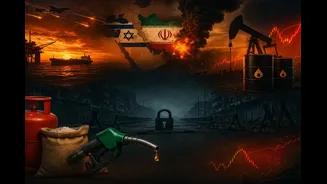
A significant disruption in the availability of commercial Liquefied Petroleum Gas (LPG) cylinders has emerged as a direct consequence of the West Asia
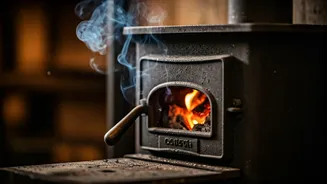
war, severely impacting small businesses and street food vendors across India, with Lucknow being a prime example. Many establishments in Uttar Pradesh's capital have been compelled to abandon their reliance on traditional gas stoves and embrace age-old cooking techniques. The scarcity has led to a widespread adoption of coal-fired furnaces and the use of firewood for preparing food, a move born out of necessity rather than preference. This pivot is not merely an inconvenience; it represents a fundamental change in the daily operations of countless vendors who depend on these stoves to earn their livelihood. The situation highlights the interconnectedness of global events and their tangible effects on local economies and culinary practices.
Vendors Seek Alternative Flames
In the bustling streets of Lucknow, the unavailability of standard LPG cylinders has prompted a noticeable transformation in cooking methods. Eateries, from small roadside stalls to more established eateries, have begun utilizing furnaces that run on coal and wood. This adaptation is a direct response to the persistent shortage of gas cylinders, making it nearly impossible for vendors to procure them through regular channels. Reports from the ground suggest that even when cylinders are occasionally available, they are often directed towards the black market, further exacerbating the problem for legitimate businesses. This situation forces vendors to consider not only the operational challenges but also potential increases in costs and health implications associated with these alternative fuel sources, all while striving to maintain their businesses and serve their customers.
Beyond LPG: Costly Adaptations
The impact of the LPG shortage extends beyond simply finding a new heat source; it involves significant operational adjustments and potential financial strain for food vendors. For instance, a samosa shop located in Kanpur, a city also feeling the pinch, has transitioned to using diesel stoves. This move, while allowing them to continue their business, comes with its own set of challenges. Diesel stoves might offer a more consistent heat source compared to intermittent firewood, but they also present higher running costs and raise concerns about the safety and quality of the food being prepared. The health implications of cooking with diesel are a significant worry, as are the potential impacts on the characteristic flavors of traditional dishes. Vendors are navigating these difficult choices, balancing the need to stay operational with the growing concerns about expense and well-being.