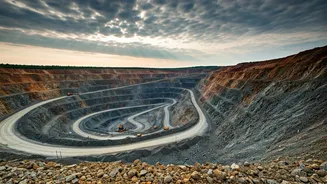









Beneath The Surface
India's mining industry, a significant contributor to the nation's economy, faces a serious challenge from illegal activities. A web of illicit operations,
characterized by disregard for regulations, has sprung up. These activities cause significant economic loss and severe environmental damage. The mining mafia, comprising influential figures and local operators, often operates with impunity, exploiting the system. Their actions result in the depletion of natural resources, widespread corruption, and social injustice, impacting communities and the environment.
Illegal Operations Exposed
The mining mafia engages in various illegal activities to maximize profits. Unlicensed mining operations are common, where valuable minerals are extracted without regard to environmental impact assessments or legal permissions. Overexploitation of resources occurs, with more material extracted than permitted, causing rapid depletion. There is also the practice of illegal transportation and trading, where mined materials bypass regulations. This often involves collusion with corrupt officials and the use of forged documents. The scale and frequency of these illegal activities demonstrate the entrenched nature of the mining mafia's operations and their profound impact on the nation's resources.
Environmental Devastation Wreaked
The unchecked activities of the mining mafia have far-reaching environmental consequences. Unregulated mining practices lead to deforestation as large areas of land are cleared for extraction. Water pollution occurs due to the release of harmful chemicals and waste into local water bodies, affecting both ecosystems and human health. Soil erosion is prevalent, particularly in areas where mining causes the topsoil to be removed, leading to land degradation. The illegal practices contribute to habitat loss, threatening biodiversity. These ecological damages often continue unchecked due to inadequate enforcement of environmental regulations.
Corruption and Collusion
Corruption plays a critical role in the mining mafia's operations, as it facilitates illegal activities. Corrupt government officials, often swayed by financial incentives, turn a blind eye to violations. The involvement of politicians provides protection and ensures that regulatory oversight is lax or non-existent. The police are sometimes complicit, failing to enforce laws and regulations. This collusion extends to various levels of governance, creating a culture of impunity. These corrupt practices undermine the rule of law and enable the mining mafia to persist and expand their illegal operations.
Socio-Economic Impacts
The mining mafia’s activities have significant socio-economic impacts on communities. Displacement of local populations is common, as mining operations take over land, depriving people of their livelihoods and homes. Exploitation of labor occurs, with workers often facing poor working conditions, low wages, and a lack of safety measures. Economic disparities are heightened, as the profits from mining often go to a select few, while communities bear the environmental and social costs. Conflicts over land and resources erupt, sometimes leading to violence. These issues compound the effects of illegal mining, contributing to social unrest and economic instability.
Combating the Mafia
Addressing the challenge of the mining mafia requires a multi-pronged approach. Strengthening regulatory frameworks and their enforcement is essential. Stricter penalties and increased surveillance will help deter illegal activities. Improving transparency in mining operations, through public disclosure of permits and operations, will enhance accountability. Empowering local communities by including them in decision-making and providing them with resources will help them protect their rights and hold the authorities accountable. There is also the need for a sustained, coordinated effort by various government agencies to dismantle the illegal operations.