
The Tiffin Controversy
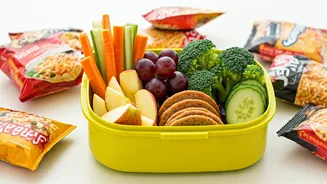
The viral video showcasing children's lunchboxes packed with chips and Maggi has ignited a widespread debate. The visual sparked critical commentary regarding
the nutritional choices provided to children, raising significant concerns among parents and online users. The video, which highlighted the prevalence of less-than-ideal food options, served as a catalyst for a larger conversation about childhood nutrition and healthy eating habits. The core issue revolves around the frequency of processed foods like chips, a common snack, and instant noodles, which offer little nutritional value.
Why the Concern?
The primary worry is the nutritional emptiness of the frequently chosen snacks. Chips, often loaded with salt, unhealthy fats, and artificial flavors, contribute little to a child's overall well-being. Similarly, instant noodles, while convenient, are typically high in sodium and lack essential nutrients, leaving children with a short-lived energy boost followed by a nutritional deficit. This diet can contribute to long-term health issues. The incident brings to light the necessity for parents to rethink their lunchbox strategies and prioritize nutritious choices for their kids to develop healthy eating habits early in life.
Healthier Alternatives
The discussion prompted a surge in suggestions for healthier tiffin options. Parents are advised to include fresh fruits and vegetables in their children's lunches. These choices supply vitamins, minerals, and fiber essential for growth and development. Other popular recommendations include homemade options such as parathas with vegetable fillings or nutritious sandwiches packed with proteins and veggies. Whole grain options provide sustained energy levels throughout the school day, making them a better choice than processed alternatives. In addition, providing a well-balanced diet will help children learn to prefer healthy choices.
Parental Guidance Needed
Addressing the problem involves parental awareness and a shift in mindset. Parents play a pivotal role in shaping their children's eating behaviors and should educate themselves about nutritious meals. Preparing tiffins together with their children can encourage children to take interest in what they eat. It's essential to recognize that children learn by example. Providing children with a variety of healthy foods early in life sets the foundation for a lifetime of healthy eating habits. Parents can make small changes in their children's diets to give them the right amount of nutrients.