
Expensive Switzerland?
Switzerland, a nation renowned for its breathtaking scenery and meticulous watchmaking, also carries a reputation for high costs. The recent experience
of Gina Darling, an American content creator and TV host, perfectly illustrates this. She was left shocked after paying approximately Rs 30,500 (equivalent to $338) for a mere one-hour taxi ride. The video, shared on Instagram, quickly went viral, igniting discussions online about the costs of travel within Switzerland. This situation sparked widespread reactions, with many viewers acknowledging the country's expensive nature, and many suggesting alternative options.
Transportation Realities
Transportation in Switzerland can significantly impact your budget. While cabs are available, their prices, as Gina discovered, can be surprisingly high. Alternatives, such as the efficient Swiss public transportation network, are far more cost-effective. Another commenter noted, "1 hour cab rides are not a normal thing outside America. Europe has trains, probably would have been $20." A great tip is to avoid taxis, which can quickly drain your wallet. Switzerland boasts a well-developed network of trains, buses, and trams, perfect for navigating various cities and landscapes. Many travellers are able to save a substantial amount by opting for public transportation.
Budgeting Accommodation Options
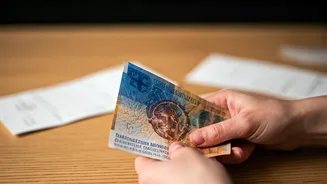
Accommodation costs can make or break a travel budget. Switzerland offers a range of options, from budget-friendly hostels to more luxurious hotels. If you're looking to save money, it's wise to consider staying outside the main tourist hubs. For those on a tighter budget, daily expenses can be managed between CHF 70–100 (approximately Rs 7,900 to Rs 11,300). This can include hostel stays, preparing simple meals with groceries, and enjoying free activities like walking tours or exploring parks. Travellers who prefer more comfort can expect to spend around CHF 150–250+ (Rs 16,900 to Rs 28,300) daily, often covering a budget hotel, restaurant meals and activities.
Saving on Dining
Food expenses can easily add up when travelling. Switzerland has options to keep dining costs under control. Consider purchasing groceries from supermarkets like Coop or Migros. You can prepare your meals to save on restaurant bills. Another option is using apps like Too Good To Go, which offer discounted meals, especially close to closing times. By cooking your own meals or taking advantage of affordable options, you can reduce your spending. This allows you to experience Swiss cuisine without excessive costs.
Making Smart Choices
Smart planning is crucial for managing travel expenses in Switzerland. The Swiss Travel Pass is an excellent investment, offering coverage for most public transportation and discounts on various mountain excursions. When it comes to sightseeing, consider exploring alternative attractions. Places like Jungfraujoch are famous but come with a hefty price tag. Switzerland has many equally stunning viewpoints that are less expensive. Research and plan your activities beforehand. By being mindful of these factors, you can enjoy the beauty of Switzerland without a shocking bill.
Optimal Travel Times
When is the best time to visit Switzerland on a budget? Timing your trip can significantly affect costs. Travelling during the shoulder seasons, specifically from April to June or September to October, can lead to lower prices on flights and accommodations. Taking advantage of these periods helps you make the most of your travel budget. Planning ahead is key to securing good deals. Being flexible with travel dates can help you find discounts, reducing overall travel costs. This strategy ensures a more affordable Swiss experience.