


What is Red Light?
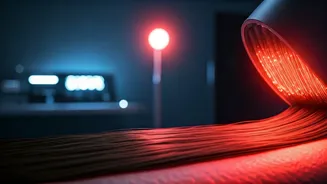
Red light therapy, also known as low-level light therapy, harnesses specific frequencies of red and near-infrared light to encourage cellular activity.
This isn't a new concept in science, but its popularity has surged, moving from professional clinics to celebrity endorsements and home-use devices. Unlike harmful UV radiation, red light is designed to penetrate the skin's surface without causing damage. Its purpose is to stimulate cells beneath the skin, acting as a supportive element for various skin and hair concerns rather than a singular cure. The scientific community acknowledges its efficacy when applied correctly and in suitable environments, offering a gentle yet potent approach to enhancing cellular function and vitality.
Cellular Power-Up
At its core, red light therapy operates by energizing the mitochondria, the powerhouses within our cells. When red light penetrates the skin, it boosts the production of ATP (adenosine triphosphate), the primary energy currency of cells. This increased energy output facilitates enhanced cellular repair and regeneration processes. For your skin, this translates to a potential increase in collagen synthesis, a reduction in inflammatory responses, and an overall improvement in skin texture over time. On the scalp, this cellular stimulation can lead to better blood circulation and decreased inflammation, fostering a more optimal environment for hair follicles to thrive and produce healthier hair.
Hair Growth Potential
The efficacy of red light therapy for hair growth, particularly in cases of androgenetic alopecia and initial stages of thinning, is supported by available evidence. This therapy can help awaken dormant hair follicles, potentially extending the active growth phase of hair. However, it's crucial to manage expectations; it's unlikely to reverse advanced hair loss or substitute for necessary medical interventions. Its strength lies in its complementary role, working best when integrated with other established treatments and routines. Consistency in application is key to observing potential benefits, rather than simply aiming for extended session durations.
Session Safety & Suitability
While Sania Mirza reportedly uses red light therapy for 30 minutes, typical clinical sessions range from 10 to 30 minutes, utilizing calibrated, medical-grade devices for safety. Overexposure or using high-intensity devices without guidance can lead to side effects like dryness, mild irritation, or headaches. Consistency is generally more impactful than session length. It's advisable to seek professional advice, especially when first starting. While most skin types tolerate it well, individuals with photosensitive conditions, active infections, or those on light-sensitizing medications should consult a dermatologist prior to use. Red light therapy is most effective as part of a holistic approach, complementing good skincare, nutrition, scalp care, and sun protection.