
Initial Confrontation Unfolds
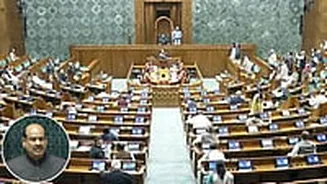
During a session of the Goa Assembly, the discussion concerning 'Vande Mataram' sparked a considerable amount of contention. The debates quickly deteriorated,
leading to a loud dispute that captured the attention of all in attendance. The initial points of disagreement were not explicitly stated in the context provided, but the atmosphere within the Assembly Hall swiftly turned tense, showcasing the profound divisions and sensitivities embedded within the political environment of the state. The intensity of the debate suggested that the issue, whatever it might have been, hit a raw nerve, pushing the usually formal procedures of the Assembly into the background, as emotions and varying perspectives on the topic took center stage.
Remarks and Expungement
A noteworthy aspect of the ruckus was the remarks made by an Aam Aadmi Party (AAP) legislator. These comments, reportedly critical or controversial, focused on the Rashtriya Swayamsevak Sangh (RSS). The context does not offer further detail about the specifics of the remarks; however, their impact was substantial enough to instigate a notable reaction. Following this, the Assembly took the decision to expunge the legislator's words from the official record, signifying that they would be removed and not appear in the official proceedings. This action underscores the Assembly's duty to control the flow and tone of the discussions, making sure that it operates within prescribed boundaries. The expungement also highlights the sensitivities and tensions that often characterize the interactions between different political parties and ideologies, especially within a legislative assembly.
Implications and Aftermath
The incident in the Goa Assembly is an illustration of the complexities of managing discussions on topics with emotional or ideological components. The altercation and the subsequent action of expungement bring up significant points about free speech, parliamentary procedures, and the role of political discourse in reflecting the views and viewpoints of society. The incident may have a variety of repercussions, including an impact on the relationships between various political parties, the public's perception of the Assembly, and future discussions on sensitive matters. Furthermore, the incident reveals the potential for the symbolic resonance of nationalistic sentiments to lead to conflict. The fallout from this event could influence the dynamics within the Assembly for some time.