




Extensive Service Disruptions Ahead
Get ready for a period of significant railway service interruptions spanning from May 29 to July 7. More than 10 vital train services operating on the
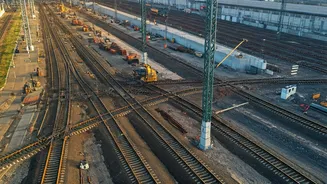
busy Chennai-Bengaluru route, alongside various other long-distance trains, are slated for cancellations, delays, and route diversions. This extensive disruption is a direct consequence of crucial yard remodelling activities being undertaken at Bengaluru Cantonment and Whitefield stations. The ongoing infrastructure work, while aimed at enhancing future operational efficiency, will inevitably cause considerable inconvenience for a wide spectrum of rail passengers, encompassing daily commuters and those undertaking longer journeys through this key southern Indian railway corridor.
Key Trains Affected
A number of prominent train services connecting Chennai with Bengaluru and Mysuru will face outright cancellations on specific dates throughout June and early July, specifically between June 3 and July 7. Among the crucial services that will remain suspended on selected days are the Chennai Central-Ashokapuram Kaveri Express and its return leg, the Chennai-Bengaluru Superfast Mail, the Yesvantpur-Chennai Superfast Express, and the Mysuru-Chennai Superfast Express. Furthermore, MEMU services that operate the regular routes between Bengaluru and Jolarpettai will also be impacted. These cancellations are particularly concerning for passengers relying on these trains for essential travel, including work, business engagements, and leisure trips along one of South India's most heavily trafficked rail arteries.
Scheduled Rescheduling & Delays
Beyond full cancellations, passengers should also brace for substantial delays on various trains on specific dates. The rescheduling of services is planned for May 29, June 2, June 7, June 19, June 23, and July 3. Trains like the Mysuru-Renigunta Superfast Express, SMVT Bengaluru-New Tinsukia Express, the Kaveri Express, and the Hatia-Bengaluru Express are among those likely to experience revised departure timings. These delays could range from a moderate 30 minutes to as much as three hours, necessitating careful verification of updated schedules before embarking on journeys. It is strongly advised for all travelers booked on these dates to check the latest train timings, as variations can occur based on the specific service and the day of travel.
Route Diversions Announced
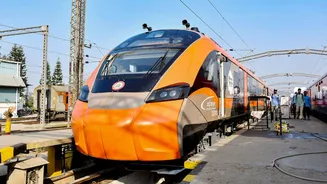
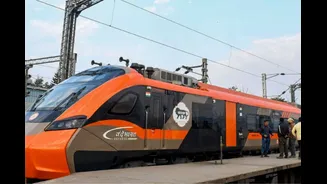
In addition to cancellations and delays, several long-distance trains will operate on altered routes during select periods in June and July. These diversions will see trains bypassing certain major railway junctions that they would normally pass through. Key junctions affected by these rerouting plans include Katpadi, Jolarpettai, Renigunta, Arakkonam, and Perambur. Among the prominent trains subject to these diversions are the Mysuru-Howrah Express, SMVT Bengaluru-Guwahati Express, Hatia-Bengaluru Express, Dadar-Puducherry Express, and the Ernakulam-Bengaluru Vande Bharat. These changes in operational paths might affect passengers' boarding and deboarding plans, especially for those who rely on these junctions for onward connections or local travel.
Partial Cancellation Noted
Further compounding the service disruptions, one specific suburban train service will face a partial cancellation. The Jolarpettai-KSR Bengaluru MEMU service, scheduled for July 7, will unfortunately operate only up to Devangonthi. Beyond this point, the service will be cancelled, meaning passengers intending to travel further towards KSR Bengaluru from Devangonthi will need to make alternative travel arrangements. This partial cancellation directly impacts regular commuters who depend on this MEMU service for their daily transit along this particular stretch of the route.
Reasons for Upgrades
The overarching reason for these widespread train service disruptions across the Chennai-Bengaluru corridor is the critical yard remodelling work being carried out at Bengaluru Cantonment and Whitefield. These infrastructure upgrades are part of a larger initiative by the railways to enhance traffic handling capabilities, boost operational efficiency, and ultimately increase the future capacity for passenger and freight services in the Bengaluru region. While the long-term benefits of these modernization efforts are significant and expected to lead to smoother train operations in the future, the immediate impact is a temporary but considerable inconvenience for travelers during this maintenance and upgrade period.