




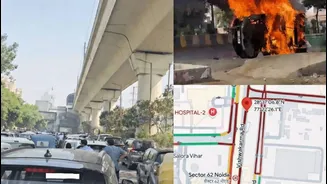
Escalation of Protests
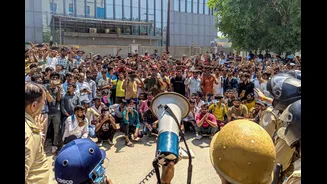
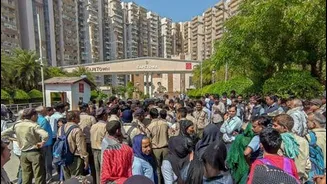
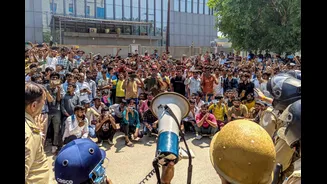
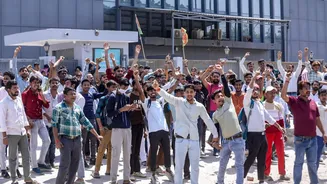
The industrial landscape of Noida became a scene of significant unrest as ongoing demonstrations by factory workers, initially focused on wage disparities,
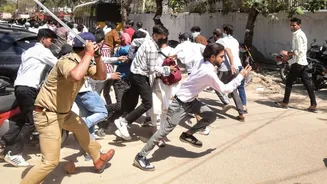
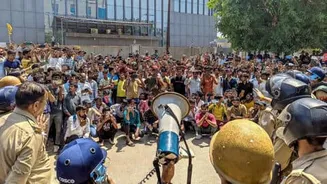
escalated dramatically into violent confrontations. The core of the agitation revolves around persistent demands for higher remuneration and improved workplace conditions, which have fueled widespread discontent among labourers. These frustrations have been simmering for some time, and the recent escalation marks a critical juncture in their collective bargaining efforts. The situation was further inflamed by incidents of vandalism, with properties and vehicles becoming targets. As the unrest intensified, local law enforcement responded to the volatile environment, deploying resources to manage the crowds and restore order amidst the chaos that had gripped the area.
Vandalism and Fire
The previously peaceful demonstrations in Noida took a destructive turn when a prominent car showroom, identified as Vipul Motors in Sector 63, became the focal point of the escalating conflict. Reports indicate that protesters set fire to the showroom, and tragically, numerous vehicles parked within its premises were also engulfed in flames. This act of arson represents a serious escalation beyond mere protest, causing significant material damage and underscoring the depth of anger and desperation felt by the workers. The fire not only destroyed valuable assets but also created a hazardous situation, highlighting the extreme measures some protesters resorted to in expressing their grievances. The incident has drawn significant attention, focusing on the destructive potential of unresolved labour disputes.
Traffic Disruption
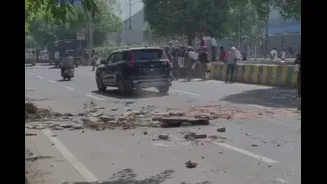
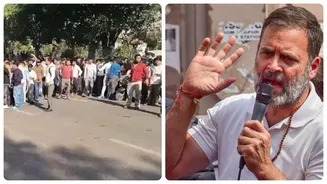
The widespread protests and subsequent unrest in Noida had a significant ripple effect, leading to considerable disruption of daily life, particularly for commuters. Movement of traffic was severely impacted across large swathes of both Noida and the neighbouring National Capital Region, causing considerable inconvenience to thousands of people. Essential services and daily commutes were hampered as roads became impassable or dangerous due to the large gatherings and the volatile situation. The traffic snarls underscored the broader societal impact of industrial disputes, demonstrating how labour issues can extend beyond the factory floor to affect the wider public and economic activities in the region. Authorities worked to manage the situation, but the extensive disruption highlighted the scale of the workers' mobilization.
Wage Demands & Parity
At the heart of the prolonged labour unrest in Noida lies a fervent demand for a substantial increase in minimum wages. Workers contend that their current earnings in Uttar Pradesh fall significantly short when compared to those in neighbouring states, especially in light of recent wage hikes, such as the approximately 35 percent increase implemented by the Haryana government. This perceived disparity in compensation for similar work has ignited considerable resentment among labourers in Noida, fuelling their calls for wage parity and a more equitable pay structure. The workers are seeking a tangible adjustment that reflects the rising cost of living and aligns their income with regional benchmarks, arguing that their contributions to the industrial output warrant better financial recognition and security.
Workplace Grievances
Beyond the pressing issue of inadequate wages, the protesting factory workers have brought forth a range of critical workplace-related concerns. Their demands extend to equitable compensation for overtime work, the consistent provision of annual bonuses, and the guaranteed entitlement to weekly offs, which are often seen as standard labour rights. Furthermore, many workers have voiced grave concerns regarding the safety of their working environments, citing instances of unsafe practices and inadequate protective measures. The absence of effective grievance redressal mechanisms within factories has also been highlighted as a major point of contention, leaving workers feeling unheard and without recourse for legitimate complaints. These multifaceted issues collectively contribute to the deep-seated dissatisfaction and the strong resolve demonstrated by the workforce.
Authorities' Response
In response to the escalating industrial disputes and the resultant violent protests, authorities have indicated their commitment to resolving the ongoing concerns through dialogue and negotiation. While acknowledging the intensity of the workers' demonstrations, officials have stressed that efforts are underway to address the issues raised. However, the vigour and scale of the protests suggest that workers are seeking immediate and meaningful outcomes, rather than protracted discussions. The government's stated aim is to foster a more stable industrial environment by mediating between labour and management, ensuring that worker grievances are heard and addressed constructively. The current situation underscores the need for swift and effective intervention to prevent further unrest and to build trust between all stakeholders in the industrial sector.