




Shilpa's Lower Body Secret
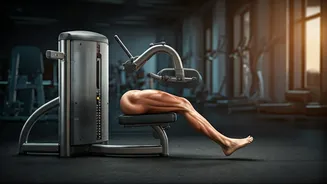
Shilpa Shetty, known for her fitness dedication, recently unveiled a potent exercise for achieving toned legs and hips: the reverse hyper extension. She describes
this movement as one of the most overlooked yet effective glute builders. Its advantages extend beyond aesthetics, contributing significantly to overall lower body strength and resilience. Shetty emphasizes its role in her regimen, highlighting its capability to enhance the shape and robustness of the legs and hip area through targeted muscle engagement and strategic execution.
Benefits of Reverse Hypers
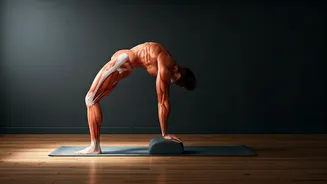
The reverse hyper extension offers a multitude of benefits for your posterior chain and spinal health. It excels at strong glute activation, primarily targeting the gluteus maximus through a powerful hip extension. This exercise is also remarkably lower-back friendly, as it strengthens the muscles supporting your spine while simultaneously decompressing it, offering a welcome relief. Furthermore, it builds crucial hip extension strength, which translates directly to improved performance in foundational lifts like squats and deadlifts, as well as enhanced athletic movements. By engaging the glutes, hamstrings, and lower back in unison, it promotes a balanced posterior chain. The controlled execution of reverse hypers can also significantly reduce lower-back stiffness by improving circulation and supporting overall spinal wellness, making it a comprehensive tool for lower body development and recovery.
Mastering the Movement
To perform the reverse hyper extension effectively, focus on lifting through your glutes, holding the peak contraction for a moment, and then lowering the legs back down with deliberate control. This controlled tempo is crucial for maximizing muscle engagement and minimizing the risk of injury. The recommended execution involves 3 sets of 15 to 18 repetitions. During the lift, aim for a steady pace, hold the squeeze at the top for 1 to 2 seconds, and then control the descent. A rest period of 45 to 60 seconds between sets allows for adequate recovery while maintaining workout intensity. Adhering to this structure ensures that you are progressively strengthening your target muscles and reaping the full benefits of this potent exercise.
Understanding the Exercise
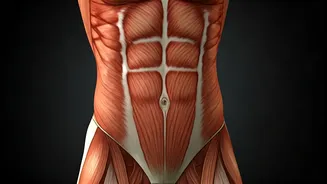
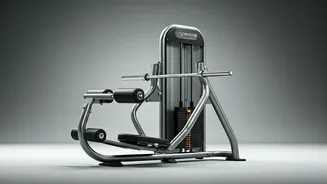
Utsav Agrawal, an Advanced Fitness Coach, underscores the importance of glute exercises for enhancing hip stability, improving posture, and building overall lower body power. Beyond injury prevention, robust glute muscles contribute to a more aesthetically pleasing lower body by defining the legs and effectively targeting the gluteus maximus, medius, and minimus. The reverse hyper extension is specifically designed to achieve this by strengthening the glutes, hamstrings, and lower back while concurrently decompressing the spine. Performed on specialized equipment, the motion involves lying face down and swinging the legs upward, directly engaging the glutes. This unique action not only provides a gentle stretch but also boosts blood flow to the lower back region, promoting recovery and alleviating discomfort.
Safety and Technique Tips
Fitness expert Garima Goyal provides essential pointers to ensure you perform reverse hypers and other glute exercises safely, preventing spinal injury. Maintaining proper alignment is paramount: ensure your feet, knees, and hips stay in a straight line throughout the movement, avoiding any inward collapse of the knees. It's crucial to keep a natural curve in your lower back, refraining from over-arching which can lead to strain. Engaging your core by drawing your belly button towards your spine is vital for stabilizing your back during the exercise. Lastly, controlled movements are key; avoid any jerky actions, and execute the lift and lower phases with precision to maximize muscle recruitment and minimize injury risk. Always consult a fitness professional before beginning any new exercise regimen.