

A Tranquil Coastal Abode
Nestled in the prestigious Malabar Hill area of South Mumbai, Sminu Jindal's sea-facing bungalow at 32 Walkeshwar Road serves as a remarkable illustration
of how architectural openness, judicious use of light, and a minimalist ethos can profoundly shape daily life. As the MD of Jindal SAW Ltd. and granddaughter of industrial stalwarts Om Prakash and Savitri Jindal, her three-story white residence boasts expansive balconies that overlook lush greenery, fostering a connection with nature. Beyond the aesthetic, Jindal emphasizes the deep emotional resonance of her home. She shared in a conversation that Mumbai's ambiance, particularly during the rain, enhances her desire to be present in her sanctuary. Recounting her childhood, she painted a vivid picture of large family gatherings unfolding on the open balcony, which served as a stage for celebrations, transforming the space into a perpetual party atmosphere. These personal anecdotes highlight the powerful link between expansive physical environments and feelings of deep-seated belonging, cherished nostalgia, and robust familial connection.
Minimalist Design Principles
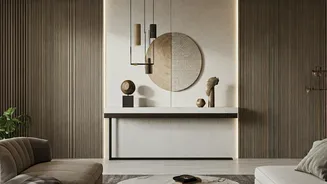
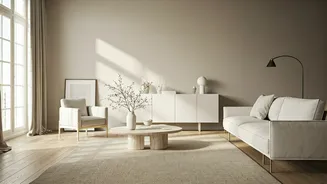
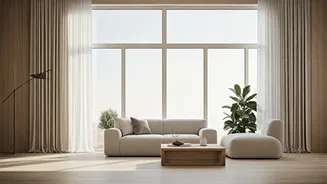
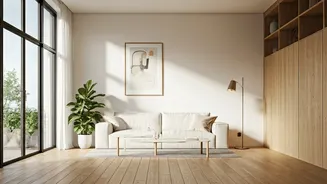
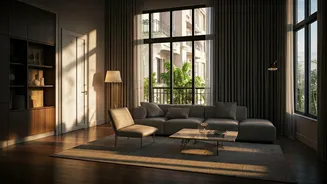
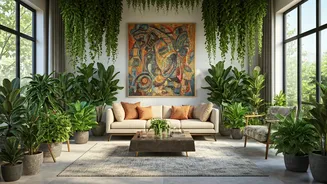
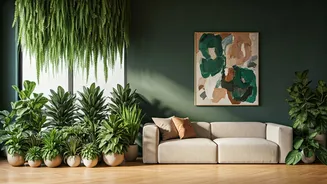
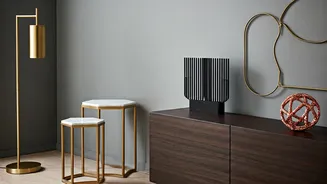
The interior design of the Jindal residence masterfully echoes the sense of serenity established by its exterior. A predominantly white color scheme forms the foundation, elegantly punctuated by subtle touches of wood and black in elements like doorways, shelving units, and stair railings, contributing to a sophisticated and restrained visual appeal. The selection of furniture is intentionally minimal and functional, ensuring ample space for movement and an uncluttered feel. Floor-to-ceiling windows and glass-paneled doors are strategically placed to allow natural light to permeate every room, creating a bright and airy ambiance. The veranda, conceptualized as a sort of suspended courtyard, further enhances this feeling of openness by seamlessly merging the indoor and outdoor living areas. Against this understated backdrop, carefully chosen artworks, including paintings, sculptures, decorative plates, and centerpieces, add personality and visual interest without overwhelming the space.
Psychology of Open Spaces
The interplay of open, light-filled interiors and minimal furnishings has a significant impact on an individual's emotional state, stress levels, and overall sense of comfort by cultivating psychological spaciousness. When a living environment is free from clutter, the brain experiences reduced cognitive load, as it doesn't have to process an excessive amount of visual stimuli. This alleviation of processing demands leads to a decrease in baseline stress levels, allowing the nervous system to settle into a more relaxed state, rather than feeling overstimulated. Furthermore, the presence of abundant natural light plays a crucial role in regulating circadian rhythms, which in turn promotes better sleep quality and contributes to emotional equilibrium. These design principles align closely with the core tenets of minimalism, which advocate for simplicity and conscious living, both of which are demonstrably linked to enhanced focus and a reduction in mental fatigue, fostering a more peaceful and productive environment.
Spaces for Connection
Homes designed to readily accommodate large gatherings and communal activities naturally evolve into pivotal settings for repeated social interactions, playing an indispensable role in forging strong emotional bonds. From a psychological viewpoint, the simple act of physical proximity combined with shared experiences significantly elevates feelings of trust and interpersonal connection. Generously proportioned living areas, expansive dining spaces, or inviting communal seating arrangements actively encourage conversation, shared laughter, and collective engagement, all of which contribute to strengthening relationships over time. Such environments also facilitate the creation of meaningful memories. Celebrations, family rituals, and even the mundane moments of daily life become ingrained within a shared physical context, making them more accessible for recall and imbue them with greater emotional significance. Environmental psychology posits that spaces associated with positive social engagements often transform into anchors for nostalgia and provide a sense of emotional security, reinforcing the home as a vital container for relationships and identity.