





Initial Meal Policy
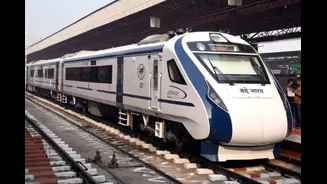
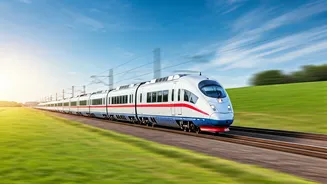
The recent discussions surrounding the Howrah-Kamakhya Vande Bharat Sleeper train have brought to light the initial food service decisions. It was decided
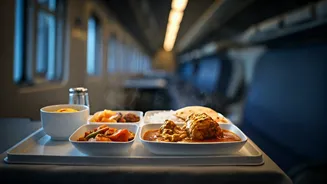
that the train would not offer non-vegetarian meals. The decision initially led to a backlash from many passengers, which subsequently prompted a reconsideration of the catering options. This event has highlighted the importance of passenger preferences in shaping railway policies. The catering arrangements are often a significant factor in passenger satisfaction, particularly on long-distance journeys. Understanding and responding to such concerns can greatly impact the overall travel experience on these modern trains.
Public Reaction and Backlash
The decision to exclude non-vegetarian meals triggered a significant negative reaction from the public. Numerous passengers expressed their discontent through various channels, including social media and direct complaints to railway authorities. The primary arguments against this decision revolved around the importance of culinary choice and the diverse dietary preferences of the traveling public. Many felt that restricting food choices was inconvenient and overlooked the varied cultural backgrounds of the passengers. This public outcry demonstrated the strong influence of passenger opinion on rail service policies and the need for inclusivity in catering choices. The feedback underscored that catering arrangements are not just about food; they are about comfort, choice, and accommodating different tastes during long journeys.
Policy Reversal Announced
In response to the widespread criticism, the railway authorities decided to reverse the initial policy. They announced that non-vegetarian meals would once again be available on the Howrah-Kamakhya Vande Bharat Sleeper train. This decision demonstrated the responsiveness of railway management to passenger feedback and highlighted their commitment to providing a satisfactory travel experience. The shift in policy reflects an awareness of the importance of passenger choice and the need to accommodate the diverse culinary preferences of the public. This change underscored the passenger's satisfaction as an integral element in railway operations and services. The reversal also reflected a practical recognition of the catering industry's capabilities to meet diverse dietary demands while ensuring high service quality.
Impact and Implications
The decision to reintroduce non-vegetarian meals has several implications for the Howrah-Kamakhya Vande Bharat Sleeper train. The main benefit is the enhanced customer satisfaction. The passengers will have more variety and flexibility, leading to a more positive travel experience. This shift also sends a clear message about the responsiveness of authorities to public opinion, reinforcing the idea that passenger comfort is of utmost importance. Furthermore, this reversal may set a precedent for other train routes, encouraging railway officials to consider catering options to suit a diverse range of traveler preferences. The positive impact is also reflected in the greater public appeal of the service which attracts more passengers, boosting overall utilization.
Future Catering Plans
While non-vegetarian meals are returning, the incident has prompted a broader discussion about catering options on Vande Bharat trains. Railway authorities are likely to review existing menus and explore ways to further improve the dining experience. The future could see an expansion of food choices, with an emphasis on incorporating regional and local cuisines to cater to travelers from all over India. There could also be increased focus on food quality, hygiene standards, and innovative meal delivery methods. The goal is to make dining on Vande Bharat trains an even more enjoyable part of the travel experience, by understanding passenger preferences. This forward-looking approach reflects the railway’s commitment to providing comfort and convenience for all its passengers.