







Drone Intrusion Concerns
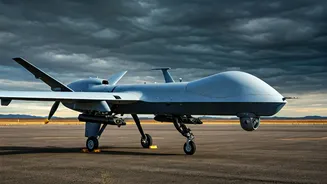
The Indian Army Chief's warning was specifically triggered by the repeated instances of drone intrusions across the border. These incursions pose a significant
threat to national security, as drones can be used for surveillance, smuggling, and even potential attacks. The army is particularly concerned about the frequency of these incidents and the potential for escalation. The chief's statement emphasized the need for Pakistan to curb these activities, signaling India's determination to protect its territorial integrity. The army's vigilance has increased, and they are implementing additional measures to counter these drone threats. Addressing this issue is crucial for maintaining stability in the region and preventing any potential conflicts. The focus remains on heightened border security and proactive strategies to mitigate risks associated with the increasing use of drones.
Blunt Warning Issued
The Army Chief's warning was delivered in a direct and unambiguous manner, reflecting the gravity of the situation. It served as a clear message to Pakistan, emphasizing the need for immediate action to stop drone intrusions. The use of strong language highlights India's resolve to address the issue decisively. The tone of the statement conveyed a sense of urgency and determination to safeguard the nation's interests. The warning also served as a reminder of the potential consequences of continuing such activities. The army's firm stance underscores its commitment to protecting the country's borders and maintaining regional security. This blunt warning signifies a shift towards a more assertive approach in dealing with cross-border threats.
Border Security Measures
In response to the drone intrusions and the warning issued, India has intensified its border security measures. These measures include enhanced surveillance, increased patrols, and the deployment of advanced technologies to detect and neutralize drone threats. The army is also working closely with other security agencies to share intelligence and coordinate efforts. The goal is to create a robust defense system that can effectively counter any intrusion attempts. These steps demonstrate India's commitment to protecting its borders and preventing any acts of aggression. The focus is on a multi-layered approach, combining technology, manpower, and strategic planning. The measures are designed to enhance the overall security infrastructure and deter any potential violations of the border.
India-Pakistan Relations
The recent warning from the Indian Army Chief has placed additional strain on the already complex relationship between India and Pakistan. The two nations have a history of conflict and unresolved disputes, making any escalation of tensions a cause for concern. The drone intrusions add to existing concerns about border security, terrorism, and cross-border activities. The situation calls for diplomatic efforts to de-escalate tensions and promote dialogue. Both countries need to engage in constructive discussions to address the underlying issues and maintain regional peace. International bodies also play a role in promoting stability and encouraging peaceful resolutions. The current situation demands cautious diplomacy and a commitment to avoid any actions that could destabilize the region.
Future Implications
The impact of the Army Chief's warning will likely be felt in the coming months. If Pakistan does not take adequate measures to address the drone intrusions, it could lead to further tensions and potential conflicts. There is a need for continuous monitoring and assessment of the situation. Future developments will depend on the actions and responses of both countries. Diplomatic channels will be critical in navigating the complexities of the situation. The international community is likely to observe the developments and offer support for de-escalation efforts. The overarching goal remains to ensure peace, stability, and security in the region through proactive measures and open communication channels.