







Sound's Brain Impact
The human brain is constantly processing information from its environment, including sounds. Sound therapy leverages this principle by using specific auditory
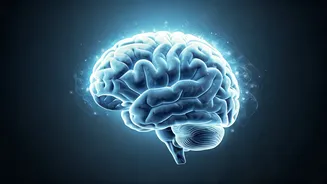
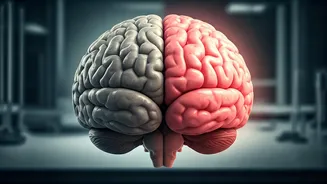
stimuli to potentially influence brain activity. The brain’s plasticity, its ability to change and adapt throughout life, is crucial here. Certain sounds, like specific frequencies or musical compositions, can stimulate particular brain regions. These regions play vital roles in cognitive functions. Research suggests that sound can promote neuroplasticity, potentially creating new neural pathways and reinforcing existing ones. This effect could be particularly relevant in Alzheimer's disease, where the brain's neural networks are damaged. Additionally, sound therapy may influence neurotransmitter systems, increasing the release of chemicals like dopamine or serotonin, known to affect mood and cognitive function. The precise mechanisms are still under investigation, but initial findings suggest sound therapy could be a powerful tool for cognitive enhancement and neurological support.
Therapeutic Benefits Explored
Sound therapy's potential benefits extend beyond simply stimulating brain regions. It has been investigated for its capacity to improve memory, mood, and sleep quality in individuals with Alzheimer's. Sound's impact on the brain's emotional centers can reduce anxiety and agitation, commonly experienced by Alzheimer's patients. Music, for example, can evoke positive memories and emotions, creating moments of joy and comfort. Furthermore, sound therapy could play a role in slowing down cognitive decline. By stimulating brain plasticity and supporting neural pathways, it might improve cognitive performance, at least temporarily. Researchers are looking into whether consistent sound therapy can have long-term impacts on the disease progression. Improved sleep is another potential benefit. Disrupted sleep patterns are common in Alzheimer's. Specific sound frequencies can encourage relaxation and improve sleep quality, which has ripple effects on cognitive function and overall well-being. The ultimate goal is to find an easily accessible and non-invasive approach that can improve the quality of life for Alzheimer's patients and their caregivers.
Ongoing Research Landscape
The field of sound therapy for Alzheimer's is evolving. Researchers are currently investigating a variety of sound-based interventions, from music therapy to the use of specific audio frequencies. Clinical trials are underway to assess the efficacy and safety of these different methods. Some trials focus on the impact of music on mood and behavioral symptoms, while others investigate the effects of specialized sound treatments on cognitive functions like memory and attention. Scientists are using neuroimaging techniques, such as fMRI, to observe how the brain responds to sound therapy, identifying the specific brain areas activated. The findings from these studies are essential for understanding how sound therapy works and optimizing treatments for the best possible results. The research is also exploring different methods of delivery, including the use of headphones, speakers, and even embedded devices. They are evaluating the advantages and disadvantages of each, to determine which method is most effective and user-friendly for Alzheimer's patients. These research efforts represent a critical step towards validating sound therapy as an evidence-based treatment and integrating it into future care strategies.
Hope for the Future
Sound therapy carries the potential to become an important component in Alzheimer's treatment. It offers a non-invasive and potentially accessible approach. By targeting brain activity, sound therapy could complement existing treatments and provide significant benefits. The possibility of reducing symptoms, improving cognitive function, and enhancing the quality of life for Alzheimer's patients offers hope to families and caregivers. Sound therapy could improve sleep patterns, reducing the agitation and anxiety that often accompany Alzheimer's. While still in its early stages, research is encouraging and suggests that sound therapy could provide a safe and effective treatment strategy. As research continues to advance, sound therapy has the potential to become a standard and important part of Alzheimer's care, offering a new path forward for people worldwide. The focus will be on tailoring sound therapies to individual needs. The personalization of treatment makes the approach more effective and meaningful.