






Mass Departure Begins
The city of Chennai experienced a notable population decline as Pongal approached, with around 11 lakh residents departing for the festival. This massive
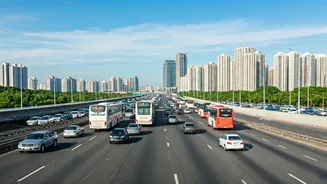
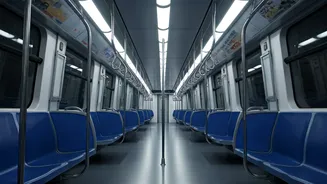
movement of people placed considerable stress on public transport services, leading to overcrowding in trains and buses. Road traffic was also significantly affected, causing delays and congestion on major routes. The exodus highlighted the importance of robust infrastructure to accommodate such large-scale movements, as people sought to celebrate the harvest festival with their families and loved ones. The volume of travelers underscored the significance of Pongal as a time for family reunions and cultural observances, affecting daily commutes and travel plans across Chennai.
Strain on Systems
The surge in travel during the Pongal period created noticeable challenges for the city's transport infrastructure. Public transportation options like trains and buses saw a surge in passenger numbers, resulting in crowded conditions and longer wait times. Roadways experienced increased traffic volume, which led to significant delays and congestion, particularly on the major highways leading out of Chennai. Authorities had to manage the influx of travelers, ensuring that transportation services could cope with the heavy demand. This situation emphasized the need for effective traffic management, particularly during major holidays, to reduce disruptions and make travel more convenient for residents as they departed to their hometowns to celebrate Pongal.
Impact on Travel
As a result of the mass exodus, the normal patterns of travel and daily life in Chennai were affected. The influx of people at train stations and bus terminals meant that many people had to wait in long queues and face overcrowding. On the roads, increased traffic caused considerable delays, making what would usually be a short trip take much longer. For those who chose to drive, the journey was filled with slow-moving traffic and potential stress. This shift in the city's rhythm demonstrated the widespread impact of the Pongal festival on daily routines and the importance of anticipating these changes when planning travel during festive seasons. This mass departure resulted in altered travel schedules and affected the overall mobility of the city’s residents.
Infrastructure Under Pressure
The exodus placed a spotlight on the capacities of Chennai's transport infrastructure. The sudden increase in travel volume revealed the limitations of public transport in handling such large crowds. The strain was felt not just at peak times, but also across extended periods as people made their way out of the city. Roads were equally tested, with congestion revealing areas where infrastructure improvements could assist in easing travel. This period served as a significant stress test for the city's facilities, highlighting the need for upgrades and efficient traffic management strategies. The situation offered insights for better planning, to ensure the smooth movement of residents during future large-scale events and holiday periods.
Celebration and Movement
The large-scale departure from Chennai was directly tied to the celebration of Pongal, as people traveled to spend time with their families. This yearly movement highlights the cultural significance of the festival and the deep-seated traditions that influence travel patterns. For many, Pongal is a time for family gatherings, traditional celebrations, and cultural practices, driving millions to make the journey, no matter the challenges. This pattern serves as a reminder of the emotional importance of festivals in Indian culture and their direct impact on the mobility and infrastructure demands across the nation, especially in major urban areas like Chennai.