





Widespread Menu Cuts
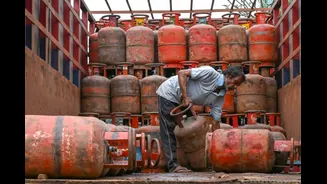
A significant disruption in the liquefied petroleum gas (LPG) supply chain, stemming from geopolitical tensions in West Asia, is now significantly impacting
the operations of several prominent Indian IT companies. Following in the footsteps of initial reports from Infosys, Tata Consultancy Services (TCS), Cognizant, and Wipro are now implementing drastic reductions in their campus canteen services. Corporate kitchens across major IT hubs like Pune and Bengaluru are experiencing a severe scarcity of cooking gas, leading to a curtailment of available food options. For instance, Infosys's Pune canteen committee officially advised its employees to bring their own packed meals, citing reduced LPG supplies affecting food court vendors' capacity. This move has cascaded to other tech giants, with TCS campuses in Pune and Bengaluru experiencing similar constraints, ranging from limited menu availability to outright requests for employees to bring tiffins from home. The situation highlights the vulnerability of centralized food services in large corporate environments to external supply chain shocks.
TCS Campus Impacts Vary
The effects of the LPG shortage are not uniform across all TCS campuses, with different locations experiencing varying degrees of impact. In Pune, at Commerce Zone campus in Yerawada, employees were notified of the situation starting March 9th, with the canteen primarily offering only Dal-Rice due to menu reductions. However, the Sahyadri Park campus in Hinjewadi Phase 3, which houses TCS's head operations office in Pune, continued to operate with normal canteen menus and live counters until later in the week. Employees at Sahyadri Park indicated that a prolonged shortage might necessitate a similar 'bring your own food' directive. Conversely, the International Tech Park (ITPL) campus in Whitefield, Bengaluru, saw a quicker deterioration of services. By March 11th, employees were instructed to carry their own meals, with options limited to items like lemon rice and sandwiches. This disparity in impact underscores the logistical complexities and varied supply chain resilience across different corporate sites.
Cognizant and Wipro Respond
Cognizant and Wipro have also implemented significant changes to their canteen services in response to the ongoing LPG crisis. At Cognizant's Pune campus, popular live counters that usually offer a variety of South Indian dishes, pulao, and pav bhaji have been temporarily suspended. Currently, only a basic rice plate facility remains operational. This reduction in choice has led to discussions about potential work-from-home or hybrid arrangements for employees in non-critical roles if the scarcity persists. Similarly, Wipro's Hinjewadi campus in Pune has halted its live counters that typically serve fast food items, including Chinese cuisine. Employees are now largely restricted to rice plates, and the cafeteria vendors themselves are grappling with the LPG crunch, further exacerbating the service limitations. These measures reflect the immediate challenges these companies face in maintaining employee amenities amidst supply chain disruptions.
Employee Hardship and Work Policy
The current situation disproportionately affects employees who rely heavily on company canteens or external eateries, particularly those working in shared accommodations or hostels. For many, especially bachelors who hail from different parts of Maharashtra and other states and depend on these food sources, the impact is substantial. The Forum for IT Employees Maharashtra has highlighted that hundreds of thousands of IT employees in Pune's tech corridors fall into this category. While some companies have started implementing a five-day work-from-office policy, the combination of mandatory attendance and food scarcity presents a significant challenge for employees in Bengaluru. This has led to requests for a return to work-from-home or hybrid models. The forum has urged IT firms to consider a 'work from hometown' option until the LPG supply is normalized and canteen services can resume their usual operations, emphasizing the need for flexibility during this period of disruption.