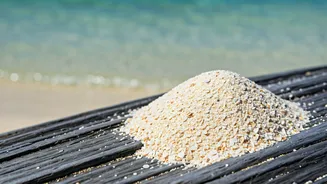




The Shell Situation
While an empty seashell might seem like a perfect memento, these natural treasures serve vital functions in marine environments. They act as essential
homes for creatures like hermit crabs and contribute to the very formation of beach sand and shoreline stability as they break down. Many nations and protected coastal areas have strict regulations prohibiting the removal of shells, especially in large quantities. Even where not explicitly illegal, the cumulative impact of mass tourism collecting these items can severely disrupt the delicate ecological balance. Instead of pocketing shells, consider capturing memories through photographs or purchasing locally crafted items that support communities without harming nature.
Beware Beach Sand
Bottling up a small amount of beach sand for a nostalgic keepsake might appear harmless, but the collective actions of millions of tourists have a significant detrimental effect. Numerous beaches across the globe have reported substantial sand erosion directly attributed to souvenir collection. In some locations, such as certain regions in Italy and Hawaii, unauthorized sand removal carries severe penalties, including substantial fines. Beyond its aesthetic appeal, sand is a crucial habitat for microorganisms and plays a key role in managing coastal erosion. Opting for locally made crafts as a souvenir is a more responsible and sustainable way to remember your travels.
Coral's Critical Role
Taking any form of coral, whether living or dead, from a beach is strongly discouraged and often illegal. Coral reefs are among the most sensitive ecosystems on Earth, acting as critical nurseries for marine biodiversity and providing a natural defense against coastal erosion. Even fragmented pieces of coral are essential for the natural regeneration and growth of reefs. In many countries, the removal of coral is a serious offense, punishable by significant fines or confiscation of goods at customs. If you encounter coral jewelry for sale, it's essential to verify its legal sourcing and certification, though it's best to avoid purchasing such items altogether to prevent contributing to reef destruction.
Marine Life Legacies
The practice of selling dried marine creatures like starfish and seahorses as souvenirs fuels unsustainable harvesting practices that can decimate marine populations. These creatures, even when dried, play irreplaceable roles within their respective ecosystems. For instance, starfish are integral to maintaining the health and balance of reef environments. Removing them, regardless of whether they are alive or deceased, disrupts these intricate ecological relationships. Supporting such souvenir trades contributes to the exploitation of marine life and the degradation of underwater habitats, so it's best to admire these creatures in their natural environment or through reputable, ethically sourced artistic representations.
Coastal Flora's Function
Items like driftwood, while potentially attractive for home decor, serve important ecological purposes along the coastline. Driftwood provides shelter and a habitat for various coastal species. Similarly, the plants that grow on beaches are vital for stabilizing sand dunes and preventing erosion, acting as a natural buffer against the elements. Removing these natural elements can weaken fragile coastal systems, particularly in areas already vulnerable to the impacts of storms and climate change. The principle is simple: if an item is part of the beach's natural landscape, it belongs there. Leave it undisturbed to support the resilience and health of these valuable environments.