




Digital Campaign Arena
With the Tamil Nadu Assembly elections slated for April 23, 2026, political combat has significantly shifted to the digital realm. Platforms such as X,
Instagram, YouTube, and WhatsApp have transformed into vibrant arenas where political narratives are actively constructed, challenged, and dismantled in real-time. Parties are heavily investing in sophisticated digital war rooms, understanding that controlling the online perception, particularly among younger demographics and first-time voters, is paramount. The campaign is increasingly characterized by its digital footprint, with short-form videos, engaging reels, and viral posts taking precedence over traditional public rallies, indicating a fundamental shift in how political engagement is conducted in the state. This evolution underscores the growing importance of digital strategy in contemporary electoral politics.
AI and Meme Warfare
The 2026 electoral contest in Tamil Nadu is witnessing an unprecedented integration of Artificial Intelligence and meme culture into political campaigning. Parties are leveraging AI tools to create sophisticated deepfake videos, fabricate speeches, and digitally manipulate leader appearances, often blurring the lines between reality and fiction. These advanced digital creations, alongside a surge in meme-driven propaganda, are strategically disseminated to influence public opinion. While these technologies offer novel avenues for outreach and engagement, they also raise significant concerns regarding the proliferation of misinformation and the ethical implications of manipulating digital content. The personalized and emotionally charged nature of these AI-generated and meme-based campaigns is designed for rapid virality, making platforms like Instagram Reels and WhatsApp crucial battlegrounds for capturing voter attention and shaping immediate perceptions.
Online Perception Control
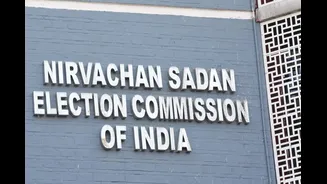
Political parties in Tamil Nadu now routinely operate dedicated 'war rooms' focused on managing their online reputation, tracking public sentiment, and executing hyper-local content targeting. The primary objective has evolved beyond mere ground-level mobilization; it now centers on achieving dominance over the digital narrative before it reaches the electorate. Analysts note that the influence of online perception could be a decisive factor in the 2026 elections, especially with rising smartphone penetration and peak digital consumption. The Election Commission of India has also acknowledged these trends, expressing concerns about the misuse of AI in political messaging. In response, election authorities have intensified monitoring of deepfake content and have mandated that all AI-generated material be clearly labeled, with swift mechanisms in place for the takedown of misleading posts to ensure a more transparent and ethical digital campaign environment.