








Cooling and Sunlight Reflection
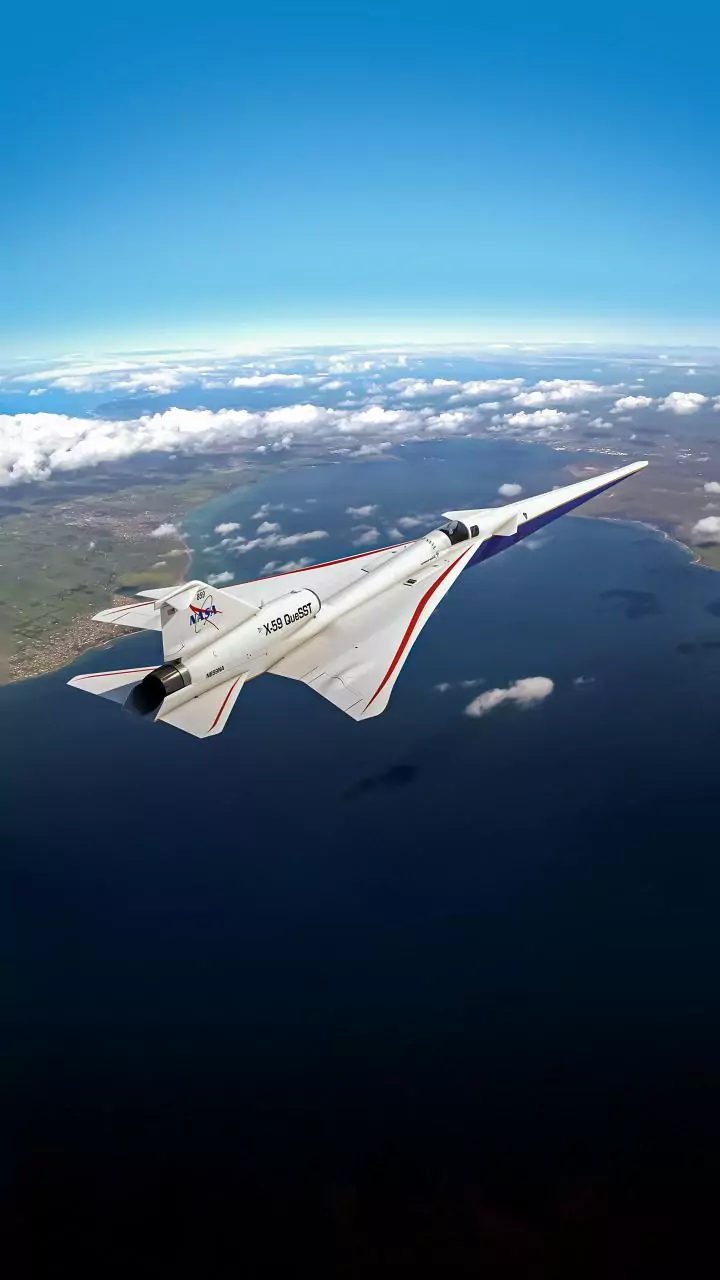
Airplanes spend a significant portion of their operational time at high altitudes, bathed in intense sunlight. The choice of white paint is a strategic
decision rooted in its superior ability to reflect solar radiation. Unlike darker hues that absorb sunlight, white acts like a massive, reflective shield, keeping the aircraft's exterior and, consequently, its interior significantly cooler. This thermal regulation is crucial for preventing the overheating of sensitive onboard systems and components, ensuring they function optimally. Furthermore, it alleviates the workload on the aircraft's air conditioning systems, contributing to a more comfortable cabin environment for passengers, especially during prolonged ground delays on hot tarmacs. This inherent property of white paint transforms the aircraft into a giant, flying cooler, mitigating the harsh effects of high-altitude solar exposure.
Damage Detection Aid
Safety is the absolute non-negotiable pillar of aviation, and the color of an aircraft plays an understated yet vital role in maintaining this standard. A white exterior serves as an excellent diagnostic canvas for maintenance crews. Minor imperfections such as hairline cracks, small dents, oil leaks, or early signs of corrosion are far more conspicuous against a light background. These anomalies can easily be camouflaged by darker paint schemes, potentially delaying their detection and subsequent repair. By contrast, the pristine white surface allows for rapid visual inspection, ensuring that any structural issues or fluid leaks are identified promptly. This immediate visibility facilitates quicker intervention, thereby enhancing the overall airworthiness of the aircraft and contributing to the assurance of safer flights for everyone on board.
Economic and Fuel Benefits
The financial implications of an aircraft's paint job are more substantial than one might initially assume. Painting an aircraft is a costly endeavor, not only in terms of the materials but also the added weight that impacts fuel consumption. Darker pigments often tend to be heavier and may require multiple coats to achieve the desired vibrancy and opacity. White paint, conversely, is typically lighter and less expensive to produce and apply. This reduction in weight, however small, translates directly into improved fuel efficiency over the lifespan of the aircraft. In an industry where even marginal gains in fuel economy can lead to significant cost savings, the lighter weight of white paint contributes to lower operational expenses for airlines. Furthermore, its durability can reduce the frequency of repainting, offering further economic advantages.
Reduced Bird Strike Risk
An intriguing safety advantage associated with white aircraft is their potential to reduce the incidence of bird strikes. Research and observational studies suggest that birds are more likely to perceive and avoid a white-colored fuselage against the backdrop of the sky. The bright, reflective nature of white makes the aircraft more visible to avian life, increasing the chances of birds spotting it and altering their flight paths accordingly. While seemingly a minor factor, bird strikes can pose a serious threat to aircraft safety, potentially causing significant damage. This enhanced visibility offered by white paint provides a subtle yet valuable layer of protection, contributing to a safer flying environment by minimizing the risk of such dangerous mid-air encounters.
Durability and Resale Value
Airplanes are constantly exposed to harsh environmental elements, from the intense ultraviolet radiation at cruising altitudes to precipitation and wind. Darker paint colors are notoriously susceptible to fading under prolonged UV exposure, necessitating frequent touch-ups and repainting to maintain their appearance. White paint, on the other hand, exhibits greater resilience to fading, preserving the aircraft's aesthetic appeal for extended periods. This inherent durability not only reduces the ongoing costs associated with maintenance and repainting but also helps keep a fleet of aircraft looking uniform and well-maintained. Moreover, a white aircraft essentially presents a neutral canvas, making it highly desirable in the pre-owned market. Prospective buyers can more easily apply their own branding and livery without the considerable expense and effort required to cover up darker, more complex color schemes, thus ensuring a better and more flexible resale value.