







Initial Body Adjustments
When a person decides to abstain from sugar, the body goes through various adjustments, particularly during the initial phase. One of the primary changes
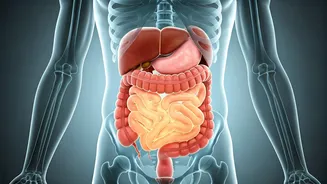
observed is a drop in blood sugar levels. Consequently, individuals might encounter fatigue or mild headaches. The liver, which usually breaks down fructose, begins to adapt, leading to decreased storage of glucose as glycogen. Furthermore, there's a shift in the gut microbiome, with the populations of sugar-feeding bacteria decreasing, potentially resulting in altered digestion. As the body adapts, these effects usually subside, indicating the start of metabolic realignment.
Metabolic and Hormonal Shifts
Removing sugar from the diet can trigger notable metabolic and hormonal shifts. The most immediate impact is on insulin, the hormone that controls blood sugar. With reduced sugar intake, insulin levels drop, which could improve insulin sensitivity over time. This can benefit individuals at risk of type 2 diabetes. Additionally, sugar restriction might decrease leptin resistance. Leptin is a hormone that regulates appetite. When leptin resistance is reduced, it can lead to improved appetite control and potentially aid weight management. Furthermore, the body could begin to utilize fats for energy instead of sugar, potentially initiating a fat-burning metabolism.
Impact on Liver Function
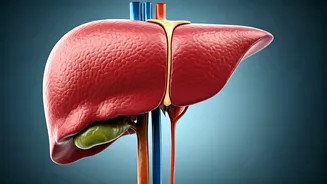
The liver plays a vital role when it comes to sugar metabolism. When a person reduces their sugar intake, the burden on the liver decreases significantly. The liver's job is to process fructose from sugary foods and beverages. Overconsumption of sugar can lead to fat accumulation in the liver, often referred to as non-alcoholic fatty liver disease (NAFLD). By cutting out sugar, the liver can reduce fat storage and improve its overall function. With less sugar to process, the liver cells have a chance to recover, potentially leading to improved liver health and reduced risk of liver-related diseases. This shift underscores the liver's role in the body's metabolic well-being.
Gastrointestinal Changes
The digestive system experiences changes when sugar is removed from the diet. Many people may encounter digestive irregularities, initially, such as bloating or altered bowel habits. The gut microbiome undergoes a transformation; sugar-loving bacteria populations decrease, which can alter the balance of gut flora. For some, a reduction in sugar can lead to a decrease in inflammation within the gut, potentially lessening symptoms associated with conditions such as irritable bowel syndrome (IBS). Conversely, some people may experience changes in the absorption of nutrients, requiring adjustments to their diet or supplementation to maintain adequate nutrition. The digestive system’s adaptation highlights the interconnectedness of dietary choices and gut health.
Effects on Mental State
A sugar-free lifestyle can also impact a person's mental state. Initially, some people may encounter mood swings or feelings of irritability as their bodies adjust. However, long-term effects often include more stable energy levels, as the peaks and troughs of blood sugar levels are lessened. Furthermore, individuals may find that they experience improved cognitive function and clarity, as blood sugar fluctuations are minimized. Sugar's effect on neurotransmitters such as dopamine and serotonin can influence mood regulation. By regulating these neurotransmitters through the absence of sugar, individuals can experience better mental well-being and emotional balance, highlighting the intricate connection between diet and mental health.
Potential Long-Term Benefits
Going sugar-free for an extended time may bring multiple long-term health benefits. Reducing sugar intake can decrease the risk of type 2 diabetes by enhancing insulin sensitivity and promoting better blood sugar management. Moreover, cutting out sugar can aid in weight loss and the maintenance of a healthy weight, owing to improved appetite control and reduced caloric intake. Other potential advantages include a lower risk of heart disease, as sugar intake is closely linked to unhealthy cholesterol levels and high blood pressure. Additionally, a sugar-free lifestyle can contribute to improved skin health, decreased inflammation throughout the body, and enhanced overall well-being. These long-term benefits emphasize the significance of dietary choices in promoting enduring health and vitality.