






Temperature Regulation Explained
Our bodies are incredible at maintaining a stable internal temperature, a process called thermoregulation. The hypothalamus, a small region in the brain,
acts as the body's thermostat, constantly monitoring the core temperature. When the body gets too warm, it initiates cooling mechanisms like sweating, which helps to dissipate heat. Similarly, when the body gets too cold, it triggers shivering and constricts blood vessels to conserve heat. The shower disrupts this delicate balance, causing a temporary shift in the body's temperature perception. The initial warmth from the water causes blood vessels near the skin to dilate, leading to an increased blood flow and a sensation of warmth. However, this is just the first part of the equation and doesn’t tell the whole story.
Evaporation's Cooling Effect
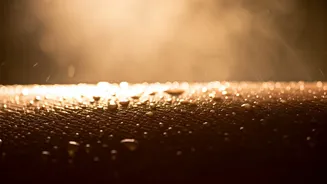
The main reason you feel colder after a shower lies in the principle of evaporation. After you step out of the shower, water droplets remain on your skin. As these droplets transition from liquid to vapor, they absorb heat from your body. This process, known as evaporative cooling, effectively removes heat from your skin, leading to a drop in your perceived temperature. The faster the evaporation, the colder you feel. Several factors influence the rate of evaporation, including the temperature of the surrounding air, the humidity level, and the amount of water remaining on your skin. In a dry environment, water evaporates more quickly, amplifying the cooling effect. Conversely, in humid air, evaporation slows down, and you might not feel as cold after your shower, as there is less of a gradient to drive evaporation.
Humidity and Its Role
Humidity, the amount of water vapor in the air, plays a significant role in how cold you feel after a shower. High humidity levels decrease the rate of evaporation. When the air is already saturated with moisture, it cannot readily absorb more water vapor from your skin. As a result, the cooling effect is diminished. In contrast, in a dry environment, the air readily absorbs moisture from your skin, accelerating evaporation and making you feel colder. This explains why you might feel colder after a shower on a dry, winter day compared to a humid, summer day. Therefore, the environmental conditions after your shower significantly affect your thermal perception and overall comfort level.
Water Temperature’s Impact
The temperature of the water used in your shower also influences the after-shower chill. Hot water initially warms your skin and dilates blood vessels, causing you to feel pleasant while in the shower. After you turn off the water, the body tries to re-establish its normal temperature. The hotter the water, the more pronounced the contrast between the water temperature and the surrounding air, leading to a greater perceived drop in temperature as the body attempts to cool itself. The heat shock from the shower can then make you feel colder than you otherwise might, as the body struggles to revert to its usual temperature. This is why many people prefer slightly cooler showers to mitigate this effect, particularly on colder days when your body is already trying to conserve heat.
Minimizing the Chill Factor
There are several strategies to minimize the feeling of being cold after a shower. Firstly, you can adjust the water temperature to a comfortable level, neither too hot nor too cold. Avoiding extreme temperatures helps reduce the thermal shock your body experiences. Drying yourself thoroughly with a towel immediately after stepping out of the shower is also crucial. This removes the water droplets that fuel evaporative cooling. In addition, using a towel made of absorbent material will improve the drying process. Additionally, the environment can be adjusted; a heated bathroom helps, since warmer air will slow down the evaporation process. Ensuring proper ventilation in the bathroom is also important to manage humidity levels. Finally, putting on warm clothing immediately after your shower is an effective way to keep your body warm.