




What Is Autophagy?
Autophagy, derived from the Greek words 'auto' (self) and 'phagein' (to eat), is essentially the body's internal recycling system. It's a cellular process
where cells remove damaged or dysfunctional components. Think of it as a cleanup crew that identifies and eliminates cellular waste, such as misfolded proteins or damaged organelles like mitochondria. This process ensures cellular health and prevents the accumulation of harmful substances that can contribute to disease. The discovery of autophagy earned Yoshinori Ohsumi the Nobel Prize in Physiology or Medicine in 2016, highlighting its significance in the medical field. It's a fundamental process essential for maintaining cellular health and overall bodily function.
How Autophagy Works
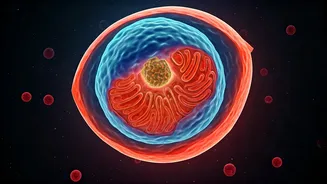
The process of autophagy is quite intricate. It starts when the cell recognizes damaged or dysfunctional components. A double-membraned structure called an autophagosome forms around these unwanted elements, effectively engulfing them. This autophagosome then fuses with a lysosome, a cellular structure containing enzymes. Within the lysosome, these enzymes break down the contents of the autophagosome, recycling the components into building blocks like amino acids. These recycled materials can then be reused by the cell for energy or to create new cellular components. This recycling system is vital for cellular survival, especially during times of stress, such as nutrient deprivation or infection. It enables the cell to maintain its energy balance and eliminate harmful elements, contributing to overall health.
Benefits of Autophagy
Autophagy plays a crucial role in maintaining health and preventing disease. By clearing away damaged components, it prevents cellular dysfunction that can lead to various health issues. Research suggests that autophagy can protect against neurodegenerative diseases like Alzheimer's and Parkinson's by removing accumulated protein aggregates that are characteristic of these conditions. It's also linked to cancer prevention, as it eliminates damaged cells that could potentially become cancerous. Furthermore, autophagy may enhance longevity by promoting cellular resilience and slowing down the aging process. It also contributes to the body's response to infections by eliminating pathogens and promoting immune cell function. Understanding and potentially enhancing autophagy could lead to significant advancements in health and disease prevention.
Boosting Autophagy Naturally
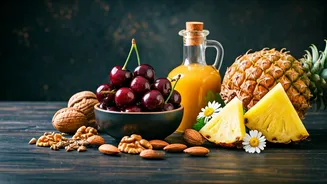
There are several lifestyle factors that can naturally stimulate autophagy. Intermittent fasting, which involves cycling between periods of eating and fasting, is a well-known method. During fasting, the body initiates autophagy to provide energy and clear out cellular waste. Exercise is also beneficial, as it can induce autophagy, particularly during periods of intense physical activity. Certain dietary choices can also promote autophagy. Foods rich in antioxidants, such as berries and green tea, may support the process. Limiting sugar and processed foods, which can contribute to cellular damage, can also be helpful. Getting adequate sleep is essential, as the body's repair processes are most active during sleep. Simple lifestyle adjustments can have a significant impact on this vital process, contributing to overall well-being.