




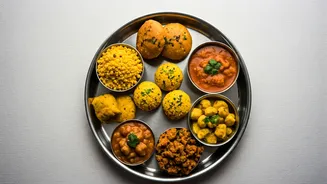
Upma: The Basics
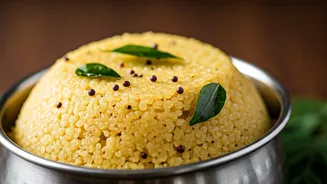
Upma, a popular breakfast in South India, is a semolina-based dish that can be customized with various vegetables and spices. Its simplicity and quick
preparation make it a favorite for busy mornings. The core of Upma lies in the careful roasting of semolina (rava or suji), which gives it a nutty flavor and helps to prevent it from becoming sticky. This roasting process is crucial for achieving the desired texture. The dish is then cooked with water and seasonings, often including mustard seeds, curry leaves, and other spices to add layers of flavor. Upma is a versatile dish, adaptable to different tastes and regional variations, making it a delicious and satisfying breakfast option for many.
Essential Ingredients
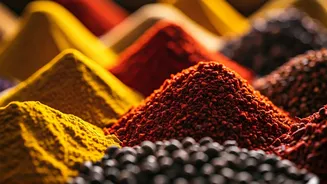
To make delicious Upma, gather the key ingredients. You'll need semolina (rava or suji), the star of the dish, responsible for its texture. Then, collect your spices: mustard seeds, cumin seeds, and asafoetida (hing) for a fragrant base. Curry leaves add an authentic touch, and green chilies provide a hint of heat. Onions, finely chopped, form the foundation of flavor, while vegetables like carrots, peas, and beans can boost the nutritional value. Finally, you will also require oil for cooking, salt to season, and water to cook the Upma. These ingredients, when combined in the right proportions, create a perfect blend of flavors and textures, ensuring a satisfying breakfast.
Roasting the Rava
Roasting the semolina (rava) is a crucial step in preparing Upma. It's what gives the dish its unique flavor and prevents it from becoming sticky. In a pan, heat a small amount of oil. Then, add the rava and roast it over medium heat. Stir continuously to ensure even roasting and prevent burning. You'll know it's ready when the rava turns light golden brown and releases a pleasant aroma. The roasting process typically takes about 5-7 minutes. Once roasted, remove the rava from the pan and set it aside. This careful roasting ensures the Upma achieves the ideal texture.
Tempering the Spices
Tempering the spices adds a depth of flavor to Upma. In the same pan, heat a little more oil. Add mustard seeds and let them splutter, which is a sign of being properly tempered. Then, add cumin seeds, and a pinch of asafoetida (hing). Next, include curry leaves and green chilies. Sauté the ingredients until the onions turn translucent and slightly golden. This process, often called 'tadka' or tempering, unlocks the aromatic essence of the spices and enhances the overall taste of the Upma. Be careful not to burn the spices, as this can give the Upma a bitter taste.
Adding Vegetables
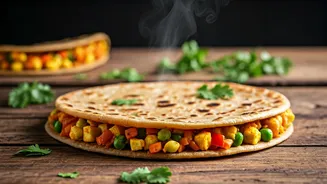
Adding vegetables to the tempering step boosts both flavor and nutrition in your Upma. Once the spices and onions are sautéed, add the vegetables. Carrots, peas, and beans, all add color and texture. Sauté the vegetables for a few minutes until they soften slightly. If you're using harder vegetables, such as carrots, ensure they're cooked before adding water. Cooking the vegetables in this step ensures that they're tender and flavorful when the Upma is ready. This step is optional, but it significantly enhances the nutritional value and taste of the dish.
Adding Water and Rava
After sautéing the vegetables, pour in the water. The ideal water-to-rava ratio is crucial for a perfect Upma. A general guideline is around 2 cups of water for every 1 cup of rava, but this may vary. Add salt to the water, as per your taste. Bring the water to a boil, then slowly add the roasted rava, stirring continuously. This prevents lumps from forming. Reduce the heat and cook the Upma, stirring occasionally until all the water is absorbed and the rava is cooked through. The cooking process is complete when the Upma achieves a fluffy and slightly separated texture.
Cooking and Serving
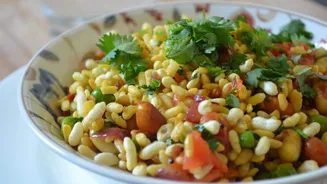
Once the water is absorbed and the rava is cooked, fluff the Upma with a fork. Cover the pan and let it rest for a few minutes. This allows the steam to further soften the rava and enhance the flavors. Finally, garnish with fresh coriander leaves, if desired. Serve the Upma hot, often with coconut chutney or sambar for an authentic South Indian breakfast experience. The final touches make a simple dish into a complete and satisfying meal, ready to enjoy.
Tips for Upma Perfection
To elevate your Upma, several tips can help. Always roast the rava properly for the best texture and flavor. Use the correct water-to-rava ratio, which can depend on the type of rava. Experiment with different vegetables and spices to customize the taste. Adding a squeeze of lemon juice after cooking can brighten the flavors. For a richer flavor, consider using ghee (clarified butter) instead of oil. Following these tips ensures that you get perfect Upma every time.