






A New Culinary Landscape
Uttar Pradesh is charting a new course for its culinary identity with the recently finalized 'One District-One Cuisine' (ODOC) scheme. This ambitious initiative
meticulously assigns a distinct set of signature vegetarian dishes to each of the state's 75 districts. The primary goal is to create a unique branding and marketing strategy for these regional specialties, with a focus on promoting them for export and enhancing their presence on both domestic and international food platforms. The state cabinet's approval signifies a concerted effort to celebrate and capitalize on its rich, albeit now exclusively vegetarian, culinary traditions. This move is inspired by the successful 'One District, One Product' program, indicating a strategic approach to leveraging local strengths for economic development and cultural promotion. The government has committed a substantial ₹150 crore to fuel the implementation of this comprehensive scheme, aiming to transform local delicacies into globally recognized brands.
Iconic Veggie Delights
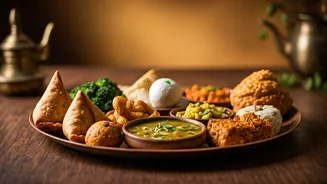
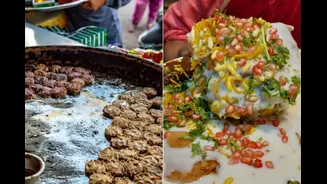
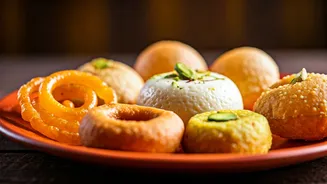
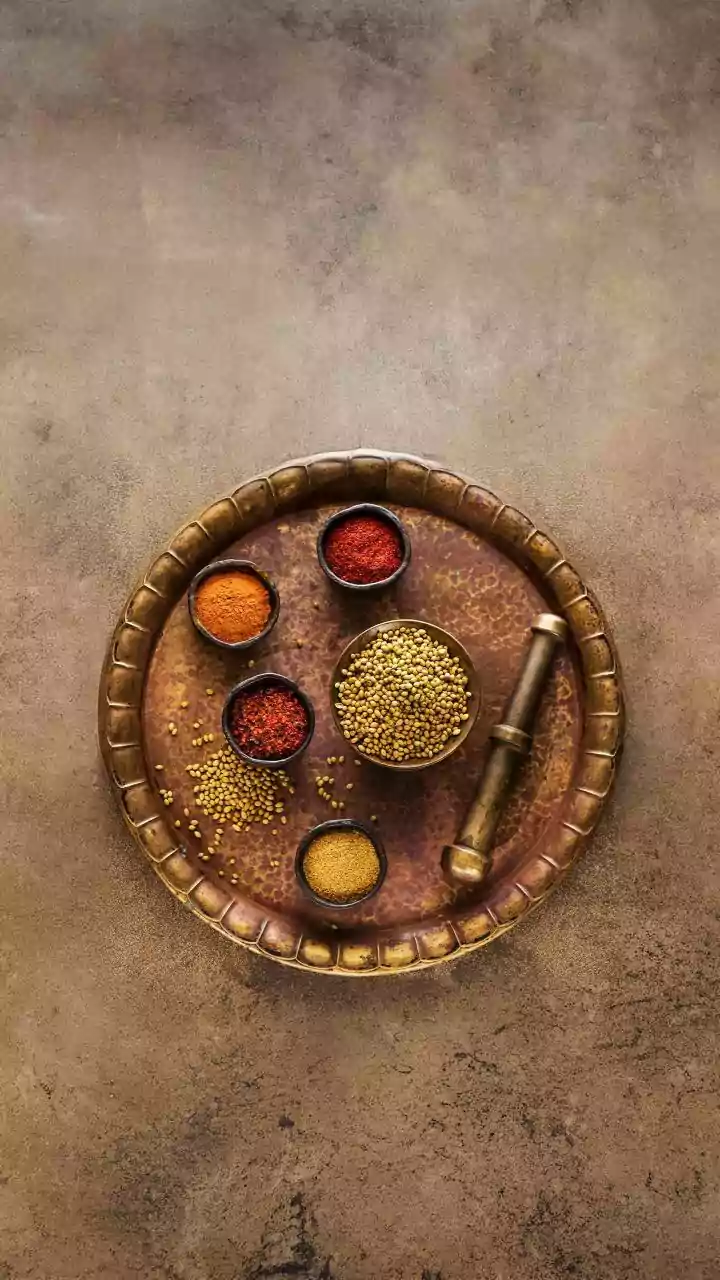
The new culinary map showcases a diverse array of vegetarian delights, spotlighting well-loved sweets and regional specialties. Cities like Lucknow are celebrated for traditional offerings such as rewari, mango products, chaat, and malai makhan, steering away from their previously famous non-vegetarian dishes. Agra's renowned petha and Mathura's famous peda and chhapan bhog are prominently featured, acknowledging their significant place in the state's sweet traditions. Other districts are recognized for unique preparations like Azamgarh's white carrot halwa, Mahoba's date jaggery, Hamirpur's dal-based Bundeli cuisine, Varanasi's refreshing thandai, lassi, and Banarsi paan, and Jaunpur's delightful imarti. Even Gautam Budh Nagar, a district in the National Capital Region, has been assigned cake and bakery products, while Raebareli's contribution is simply listed as 'Spices,' suggesting a focus on unique agricultural products. These selections aim to represent the genuine and varied regional culinary heritage that has historically taken root across the state.
Promoting Quality and Access
The ODOC scheme is designed with a clear vision: to significantly enhance the visibility of Uttar Pradesh's cuisines globally. This is to be achieved through rigorous improvements in quality, packaging, and branding practices. Key strategies include enhancing the shelf life of products, standardizing quality control measures, and creating distinct logos for each identified delicacy to ensure brand recognition. Furthermore, the scheme plans to broaden market access by participating in festivals and exhibitions, and by leveraging online platforms and aggregators. To support artisans and entrepreneurs involved in this initiative, subsidies of up to 25% are available, capped at ₹20 lakh, though this benefit can only be availed once. While the finer details of the subsidy distribution are still being finalized, the overarching objective is to empower local food producers and elevate the overall standard of Uttar Pradesh's culinary offerings for wider market penetration and appreciation.
Navigating Culinary Boundaries
The exclusive focus on vegetarian dishes within Uttar Pradesh's new culinary map has sparked debate and skepticism among food experts. Food historian Pushpesh Pant has critically commented on the exercise, deeming it 'laughable' and suggesting a misunderstanding of the term 'cuisine.' He argues that authentic culinary identity often transcends administrative boundaries, and food traditions are frequently shared across regions that may have been artificially divided. The exclusion of historically significant non-vegetarian dishes like Lucknow's galawati kebab and Awadhi biryani, or Moradabadi biryani, has drawn particular attention. While a senior MSME official indicated that multiple factors, including branding potential and benefit distribution to rightful claimants, were considered in the final list compilation, the all-vegetarian mandate raises questions about accurately representing the diverse culinary heritage that has long defined many districts of Uttar Pradesh. This approach prioritizes specific marketable attributes, potentially overlooking broader historical and cultural food connections.