
Sanctions' Impact on India
Last September, the United States imposed rigorous economic sanctions on Iran, setting a new tone for international trade with the nation. However, India
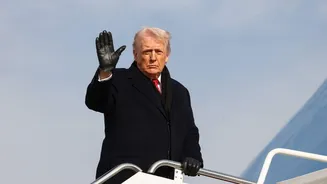
received a six-month exemption, allowing its continued involvement in the Chabahar project. This waiver, a temporary reprieve, is slated to expire on April 26. This date looms large, signaling a pivotal moment for India's strategic partnership with Iran and the future of the Chabahar port. The expiration date has spurred the Indian government to explore various options and engage in ongoing discussions, considering potential ramifications from the US. This situation is further complicated by the Trump administration's warning of a 25% additional tariff on countries engaging in business with Tehran.
Aid and Allocation Changes
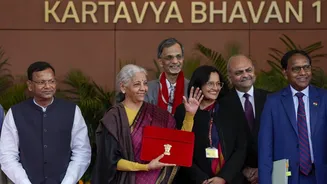
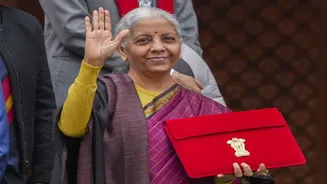
India's Union Budget 2026-27 brought significant changes to its overseas development assistance. A notable adjustment was the absence of any allocation specifically for the Chabahar port project. Previously, India had earmarked Rs 100 crore annually for the major connectivity initiative in Iran's southern Sistan-Balochistan province. This decision indicates a cautious approach amid the renewed US sanctions. The overall 'Aid to Countries' allocation has increased to Rs 5,686 crore, a rise of about 4% from the previous year's Rs 5,483 crore. Bhutan remains the primary recipient of Indian assistance, followed by Nepal, Maldives, and Sri Lanka. Conversely, Bangladesh witnessed one of the steepest reductions in Indian foreign aid, with its allocation slashed in half, from Rs 120 crore to Rs 60 crore, reflecting the strained bilateral relations. Furthermore, of the Rs 120 crore previously allocated to Bangladesh, only Rs 34.48 crore had been disbursed.
Chabahar Port's Significance
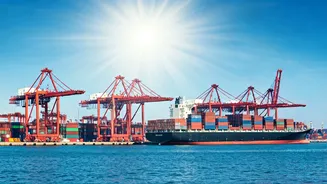
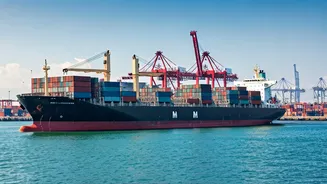
The Chabahar port, jointly developed by India and Iran, holds strategic importance in promoting regional connectivity and trade. It serves as a vital link, facilitating the movement of goods and fostering economic ties within the region. The project is an essential part of the larger International North-South Transport Corridor (INSTC), a 7,200-km-long multi-mode transport project designed for freight movement among India, Iran, Afghanistan, Armenia, Azerbaijan, Russia, Central Asia, and Europe. Both India and Iran have been advocating for the Chabahar port's inclusion within the INSTC framework, recognizing its role in streamlining trade routes and boosting economic cooperation. This advocacy underscores the enduring commitment of both nations to enhancing regional connectivity through this project. The port's development is a key part of India's efforts to enhance trade and transit links, particularly with Central Asia and beyond.
Ongoing Discussions with US
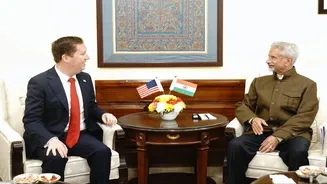
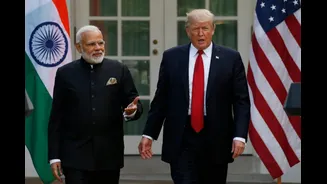
In light of the changing geopolitical landscape and the looming expiration of the US sanctions waiver, India is actively engaging with the United States regarding the Chabahar project. External Affairs Ministry spokesperson Randhir Jaiswal confirmed these ongoing discussions last month. These talks are crucial for ensuring the project's continued operation and for navigating the complex implications of US sanctions. India is exploring various options for the project, factoring in the implications of potential tariffs on business with Tehran. The goal is to safeguard India’s interests while aligning with global regulations. These discussions show India's commitment to finding a sustainable path forward that balances its strategic objectives with international regulations.