






A Historic Green Sanctuary
Lodhi Garden, a sprawling 90-acre expanse in the heart of Delhi, is celebrating its 90th anniversary. Established on April 9, 1936, and initially named
'The Lady Willingdon Park' in honor of the then Vicereine, this verdant space has evolved into a cherished urban oasis. It offers a tranquil respite from the city's relentless pace, drawing locals and tourists alike for relaxation, recreation, and a connection to Delhi's rich past. The garden is not merely a patch of green but a vibrant ecosystem, meticulously maintained and enriched by a diverse array of flora, making it a significant biodiversity hotspot within the metropolitan landscape. Its enduring appeal lies in its unique blend of natural beauty and historical grandeur, providing an essential green lung for the capital.
Echoes of Empires Within
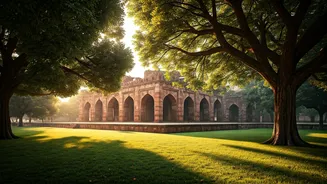
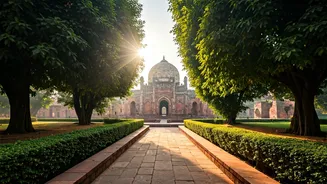
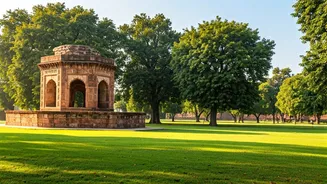
Nestled within the garden's 90 acres are several monumental tombs dating back to the Sayyid and Lodi dynasties, whispering tales of bygone eras. The tomb of Sikandar Lodi and Muhammad Shah Sayyid, built in 1444, are prominent among these. The octagonal tomb of Muhammad Shah, situated near the garden's periphery, is a particularly photogenic structure that has graced numerous films and advertising campaigns. These historical edifices, adorned with intricate stonework and calligraphy, stand as testaments to architectural brilliance. The garden also features the striking Bara Gumbad, Sheesh Gumbad, and a mosque, further enhancing its historical tapestry. The Athpula stone bridge, built over what was once a stream, adds another layer to its heritage, also known as 'Khairpur ka Pul'.
Designed for Tranquility
The current aesthetic and landscaping of Lodhi Garden, which provides its serene atmosphere, were significantly shaped in 1968 by American architect Joseph Allen Stein. His vision was later refined by a group of Japanese landscape designers. Stein's work, particularly in the surrounding Lodhi Estate area, where iconic post-colonial buildings like the India International Centre and India Habitat Centre are located, has earned the enclave the nickname 'Steinabad'. These structures are designed to harmonize seamlessly with the garden, creating a cohesive and aesthetically pleasing environment. This thoughtful design philosophy ensures that the garden remains a welcoming space for morning walks, picnics, and quiet contemplation, blending modern urban planning with historical preservation.
A Vibrant Ecosystem Flourishes
Beyond its historical significance, Lodhi Garden is a haven for a rich variety of plant and bird species, truly embodying its status as an urban oasis. The garden boasts numerous trees such as neem, jamun, royal bottle palm, bamboo, and eucalyptus, creating a lush canopy. This diverse flora attracts a vibrant array of avian life, including parakeets, mynahs, kingfishers, babblers, and hornbills. This rich biodiversity makes Lodhi Garden a vital green lung for Delhi and a cherished natural asset. The Indian National Trust for Art and Cultural Heritage (INTACH), whose headquarters are nearby, views the garden as a 'living classroom,' offering immense educational value, especially for young people eager to learn about India's natural heritage.