





Speedy Delhi-Varanasi
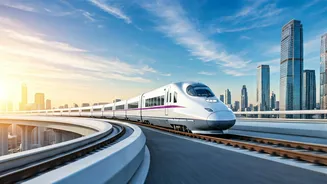
Prepare for an astonishing reduction in travel time between Delhi and Varanasi, as the upcoming bullet train service will whisk passengers between these
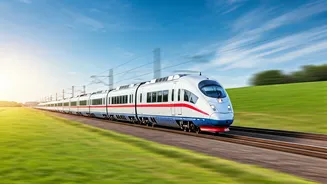
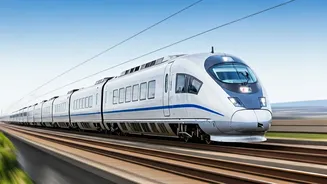
two prominent cities in a mere 4 hours. This is a dramatic improvement from the current 12-13 hours typically required by conventional trains, heralding a new era of efficient inter-city travel. This ambitious project is part of a larger vision to enhance high-speed rail connectivity across the nation, aiming to make long-distance journeys not only faster but also more comfortable and accessible for a wider population. The introduction of such rapid transit systems is expected to boost economic activity and tourism by making travel between key urban centers significantly more convenient.
Bihar's Rail Game-Changer
A significant development for Bihar is the planned bullet train corridor connecting Varanasi directly to Siliguri, with a crucial stop in Patna. Union Railways Minister Ashwini Vaishnaw has heralded this route as a true 'game-changer' for the state. This direct link will slash travel time to just 180 minutes (3 hours) between Varanasi and Siliguri, greatly benefiting the region's connectivity and economic prospects. Passengers in Patna will have unprecedented access to high-speed rail, facilitating quicker commutes and trade. This initiative underscores the government's commitment to modernizing rail infrastructure, even in regions historically underserved by advanced transit options. The implications for business, tourism, and daily life in Bihar are expected to be profound.
Southern Network Expansion
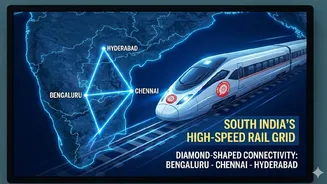
Beyond the northern corridors, the Ministry of Railways is also focusing on establishing a robust high-speed network in the south. The announcement includes the formation of a 'South High-Speed Triangle' or 'South High-Speed Diamond,' which will link Chennai, Bengaluru, and Hyderabad. This strategic development aims to create a rapid transit hub in the southern part of the country, facilitating seamless travel and economic integration among these major metropolitan areas. The establishment of such interconnected high-speed rail lines is crucial for fostering regional development and creating a more cohesive national transportation system. This expansion signals a nationwide push for modernization, ensuring that various regions benefit from advanced rail technology.
Budgetary Push for Progress
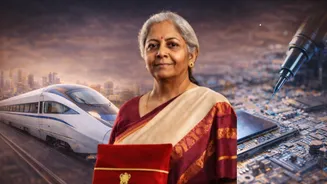
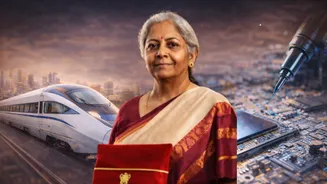
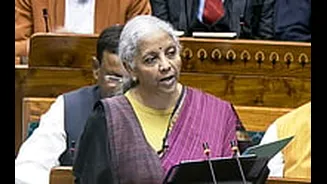
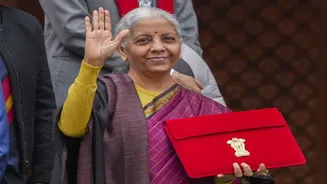
The ambitious expansion of India's high-speed rail network is underpinned by a substantial financial commitment. In the Union Budget for the financial year 2026–27, the Ministry of Railways received a significant capital expenditure (capex) allocation of Rs 2,93,030 crore. This considerable investment reflects the government's priority in upgrading the nation's railway infrastructure with cutting-edge technology, including the development of multiple high-speed corridors. The announcement of seven such corridors in the Budget 2026 speech by Finance Minister Nirmala Sitharaman signifies a forward-looking approach to transportation, aimed at enhancing both passenger convenience and the country's economic competitiveness. This financial backing is vital for the timely execution of these large-scale, transformative projects.