





A Beach Transformed
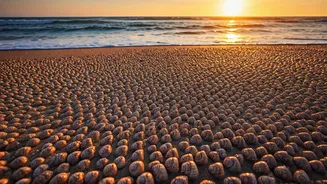
The coastline of Puri, specifically Niladri Beach and Blue Flag Beach, recently experienced an extraordinary natural event. Vast expanses of sand were
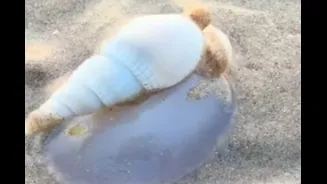
adorned with thousands of cone snails, creating a striking visual likened to a living polka-dot pattern. This unusual occurrence drew significant attention from both tourists and residents who flocked to witness the spectacle. Renowned sand artist Sudarsan Pattnaik captured and shared images of the phenomenon on Blue Flag Beach, highlighting the mesmerizing beauty of the shells dotting the shoreline against the golden sand, describing it as an 'incredible nature' moment. The highest concentration of these marine visitors was observed along the stretch between Lighthouse Beach and the Baliharachandi mouth, turning normally serene shores into an unusually vibrant and dynamic landscape.
Seasonal Drifts Explained
Marine experts and environmental observers have offered insights into why such a large congregation of cone snails appeared along Puri's coast. The prevailing theory points towards seasonal changes and exceptionally calm sea conditions experienced during the early winter months. During this period, the ocean typically exhibits lower turbulence and milder currents, creating an environment conducive to the natural migration of marine organisms. According to marine researchers, these stable conditions allow creatures that usually reside in deeper waters to drift towards the shallower coastal areas. This phenomenon is considered a natural occurrence when the sea is calm and non-turbulent, facilitating the movement of these mollusks closer to the shore, much to the delight and surprise of beachgoers.
Cone Snails: Beauty and Danger
While the sight of thousands of cone snails was undeniably magical, it's crucial to understand that these creatures are not benign. Belonging to the Conidae family, cone snails are predatory marine mollusks characterized by their distinctive conical shells and a potent venom. The world hosts an estimated 800 to 1,000 species, predominantly found in tropical and subtropical marine environments. Despite their seemingly slow pace, cone snails are highly effective hunters, employing a sharp, harpoon-like radular tooth to deliver venom into their prey. This venom is a complex cocktail of hundreds of toxins designed to disrupt the nervous and muscular systems of their targets. Some species employ a 'hook-and-line' strategy, while others, like the notorious Conus geographus, can release stunning chemicals into the water to immobilize fish before consuming them. Their diets vary, with some preying on marine worms, others on mollusks, and a few species specializing in catching small fish, making the fish-eating varieties the most hazardous to humans.
Venomous Encounters
The captivating beauty of cone snails belies their dangerous nature, particularly concerning certain species. A sting from some cone snails, such as the Geography Cone (Conus geographus) and the Textile Cone (Conus textile), can pose a life-threatening risk to humans. The venom's effects can be severe, leading to intense pain, widespread numbness, muscle paralysis, and in critical cases, significant respiratory distress. Currently, there is no specific antivenom available for cone snail stings. Medical intervention primarily focuses on providing supportive care to manage the symptoms and aid the body's recovery process. Therefore, while observing these fascinating creatures from a distance is encouraged, direct contact should be strictly avoided to ensure safety.