






The Silent Domino Effect
Rajesh Mehta, a 52-year-old from Pune, meticulously managed his diabetes with medication, diet, and regular doctor visits, believing he was doing all he could.
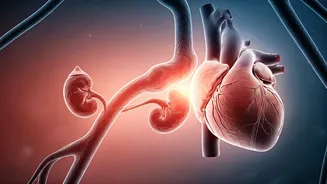
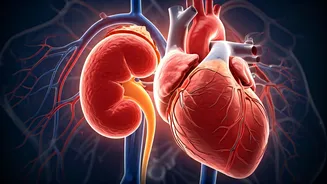
However, persistent ankle swelling and subsequent breathlessness led to a diagnosis of early-stage heart failure, followed by declining kidney function confirming chronic kidney disease. His confusion stemmed from how a seemingly controlled blood sugar issue could lead to such severe multi-organ complications. This situation underscores a critical flaw in traditional medical practice: the tendency to treat organs in isolation. The reality, as modern science reveals, is that the heart, kidneys, and pancreas are intricately linked, constantly communicating. When one organ falters, the others are invariably affected, highlighting the interconnectedness of the cardio-renal-metabolic axis. For nations like India, where diabetes, heart disease, and kidney disorders are on the rise simultaneously, recognizing this complex interplay is not just beneficial but absolutely essential for effective healthcare.
Unraveling the Interconnectedness
The underlying cause of Rajesh's predicament wasn't just high blood sugar, but the long-term, subtle damage it inflicted on his blood vessels. Over years of elevated glucose levels, the intricate network of blood vessels throughout his body, particularly those in his kidneys, began to deteriorate. The kidneys, responsible for filtering a massive volume of blood daily—approximately 180 litres—gradually lost their efficiency. This decline in filtration led to a buildup of waste products and excess fluid in his bloodstream. Consequently, his heart had to work considerably harder to pump blood through this increasingly compromised circulatory system. Simultaneously, the metabolic imbalances associated with diabetes triggered hormonal disruptions and inflammatory responses, further exacerbating the strain on both his kidneys and heart. What appeared as separate health issues were, in fact, different manifestations of a systemic breakdown driven by the intricate cardio-renal-metabolic axis.
The Pancreas's Crucial Role
The pancreas plays a pivotal role in maintaining overall metabolic health, primarily by regulating blood sugar levels through the production of insulin. When this delicate balance is disrupted, as commonly occurs in Type 2 diabetes, it sets off a cascade of hormonal and pro-inflammatory responses. These responses have a significant impact that extends beyond blood glucose regulation, adversely affecting the kidneys and the cardiovascular system. In essence, damage to one organ in this interconnected system can initiate a 'domino effect,' progressively impacting other vital organs. This illustrates why treating diabetes solely by focusing on lowering blood sugar without considering its broader metabolic and systemic consequences can lead to unforeseen and severe complications in the heart and kidneys, as seen in Rajesh's case.
Integrated Care Revolution
Rajesh's turning point arrived when he transitioned to an integrated cardiometabolic clinic, a care model gaining traction for its holistic approach. Instead of fragmented consultations with different specialists managing individual diseases, he underwent a comprehensive evaluation that examined the interplay of his conditions. Specialists collaborated, reviewing his results collectively rather than in isolation, and jointly formulating treatment decisions. This approach allowed for the adjustment of medications, incorporating emerging evidence that certain modern diabetes therapies offer protective benefits for both heart and kidney function. His diet was recalibrated to alleviate strain across all three interconnected systems, and exercise regimens were tailored to his cardiac tolerance, metabolic control, and kidney safety. Rajesh was no longer managing three distinct illnesses; he was addressing one overarching, interconnected condition.
Prevention and Holistic Health
The shift towards integrated, preventive, and patient-centred care models is paramount. Early screening for cardiometabolic diseases is crucial because these conditions often develop silently for years before symptoms manifest. Comprehensive screening that simultaneously assesses blood pressure, blood sugar, and kidney function can identify risks at an early stage. Furthermore, adopting lifestyle modifications such as balanced nutrition, regular physical activity, effective weight management, and smoking cessation can significantly reduce the collective burden on the heart, kidneys, and pancreas. This proactive and integrated approach not only improves patient outcomes but also builds resilience against the progressive and damaging nature of chronic diseases.