




Protests Erupt in Slovakia
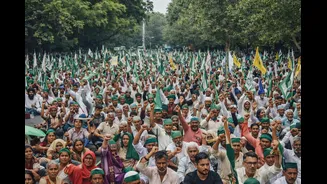
Recent demonstrations in Slovakia reflect a growing unease among its populace regarding certain actions taken by their government. These protests are not
isolated incidents but rather a manifestation of deeper-seated concerns about the direction in which the country is heading. Participants are expressing their disapproval of policies and decisions they view as harmful to the integrity of the rule of law. This sentiment has galvanized various segments of society, resulting in a collective call for change. The essence of these rallies is to draw attention to perceived threats to the legal framework, fundamental principles, and democratic values. The intensity and frequency of these protests signal a significant level of public dissatisfaction, prompting a closer examination of the governmental actions that triggered them.
Key Issues at Stake
Several specific issues are at the heart of the protests. Demonstrators are expressing concern over actions they believe jeopardize judicial independence, potentially allowing political interference in legal proceedings. There are also apprehensions regarding proposed legislation that could alter existing laws, potentially weakening the checks and balances designed to prevent abuse of power. Moreover, participants are calling for greater transparency and accountability from government officials. The lack of open communication and decision-making processes has fuelled distrust among the public. These concerns, when taken together, paint a picture of a nation where the fundamental tenets of democracy are perceived to be under threat. The protesters argue that the preservation of an independent judiciary, the integrity of existing laws, and transparent governance are essential to maintaining a just and fair society for all citizens.
Impact and Implications
The ongoing protests carry significant implications for the future of Slovakia. A sustained period of public unrest can destabilize the political landscape, potentially influencing policy decisions and government stability. If the government fails to address the underlying concerns of the protesters, the level of distrust and discontent may rise, leading to further social divisions. Moreover, the international community is closely watching the situation. Actions perceived as undermining the rule of law could damage Slovakia's standing on the global stage, possibly affecting its relationships with other nations and international organizations. A positive outcome involves the government listening to the public's concerns and taking steps to restore public confidence. This could involve reforming existing laws, promoting transparency, and ensuring the independence of the judiciary. The ultimate resolution of the protests will determine the direction of the nation, either preserving its commitment to democratic principles or risking a shift away from these values.