



Runway Intruder Alert
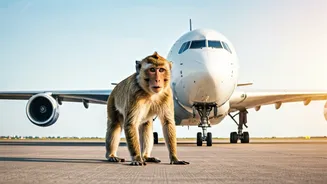
A typical Thursday morning at Lucknow's Chaudhary Charan Singh International Airport was unexpectedly interrupted by an unwelcome guest. As IndiGo flight
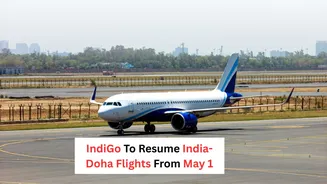
6E-6521, carrying 135 passengers and bound for Raipur, commenced its take-off roll around 8:55 am, a monkey suddenly appeared on the runway. The pilot's quick thinking and decisive action to deploy emergency brakes prevented the aircraft from accelerating further, thus averting what could have been a serious incident. Airport officials lauded the pilot's adherence to safety procedures, emphasizing how crucial their alertness was in managing the situation without any harm to passengers or the aircraft. Following the abrupt stop, the plane was safely guided to the taxiway for necessary inspections and clearance from Air Traffic Control before it could resume its journey.
Passenger Reactions Unfold
The sudden deceleration sent a ripple of anxiety through the passengers onboard IndiGo flight 6E-6521. Many experienced a jarring jolt, initially leaving them bewildered about the cause. While some passengers expressed moments of panic, the cabin crew commendably maintained composure and efficiently managed the situation, reassuring everyone onboard. This unexpected halt caused a significant delay, with the flight eventually departing at 10:05 am, more than an hour past its scheduled time. The incident highlighted the vulnerability of airport operations to unforeseen circumstances, even with rigorous protocols in place. Passengers, though initially unsettled, eventually reached their destination after the extended delay.
Monkey Eviction Operation
Airport authorities confirmed that the monkey had entered the operational area from the city side, remaining on or near the airstrip for approximately an hour while evading capture. A dedicated team, including personnel in a 'follow-me' vehicle, was deployed to safely guide the animal away from the runway. After a persistent effort, the monkey was eventually directed towards the boundary wall bordering Rahimabad village, successfully clearing the active flight path. Despite these efforts and confirmations from airport insiders, an official spokesperson for the airport initially denied any disruption caused by wildlife, stating that operations were routine. This official stance contrasted with the accounts from those present during the incident.
Broader Airport Concerns
Wildlife intrusions, particularly by animals like monkeys and dogs, continue to pose a persistent challenge for numerous Indian airports, especially those situated near green belts or semi-urban peripheries. Aviation safety experts acknowledge that even with robust perimeter security measures, occasional breaches by animals are difficult to eliminate entirely. The critical factor, they emphasize, lies in the swiftness of the response and the strict adherence to safety protocols, which appeared to be executed effectively in the Lucknow incident. This event echoes similar concerns raised by past occurrences, underscoring the ongoing need for vigilance and adaptation in airport safety strategies.
Past Runway Incidents
This isn't the first time an animal has caused a stir on an Indian airport runway. Two years prior, during an air show on the Agra-Lucknow Expressway in Unnao, a dog briefly disrupted proceedings before being removed. More recently, a Vistara flight from Bengaluru to Goa in 2025 had to be diverted mid-air because a dog was spotted on the Dabolim Airport runway. The aircraft, having departed from Kempegowda International Airport, was instructed by Air Traffic Control to return to Bengaluru. Vistara later confirmed the diversion, explaining it was due to a runway obstruction, and the flight eventually completed its journey after a considerable delay. These instances collectively highlight the critical importance of maintaining clear runways for aviation safety.
Safety First Mandate
Aviation professionals consistently stress that while such animal-related runway disruptions are infrequent, they serve as stark reminders of the absolute necessity for unwavering vigilance. Runways are identified as high-risk zones where even minor obstructions can escalate into severe consequences. The entire aviation system is fundamentally designed to prioritize safety above all else, which often necessitates accepting flight delays as a consequence. This commitment ensures that passenger well-being and the integrity of flight operations remain paramount, even in the face of unexpected challenges like a simian detour.