







Alarming Pollution Levels
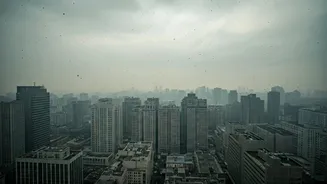
Recent reports have highlighted the dangerous levels of air pollution in Delhi, pushing the Air Quality Index (AQI) well past the 'severe' category. The
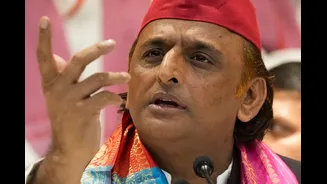
AQI measures different pollutants, including particulate matter (PM2.5 and PM10), ozone, nitrogen dioxide, sulfur dioxide, and carbon monoxide. An AQI above 400 is considered hazardous. In the midst of this concern, Union Minister Bhupender Yadav provided an explanation for the situation. Despite claims in the Rajya Sabha, the capital city's air quality alarmingly crossed an AQI of 450. This surge indicates that immediate and significant actions are urgently needed.
Factors Behind the Crisis
Delhi's air quality is a complex issue, with various factors contributing to the problem. One significant contributor is the seasonal change and meteorological conditions, particularly during winter. Stubble burning in the neighboring states has always been a key cause, with the burning of crop residue emitting massive amounts of smoke and pollutants into the atmosphere. The impact of industrial emissions, vehicular pollution, and construction activities are also major contributors. Furthermore, the topography and geographical location of Delhi act as a barrier, trapping pollutants and preventing their dispersion, making the city a 'gas chamber' especially during winter months.
Government's Response
The government has implemented several measures to combat air pollution, from short-term emergency responses to long-term strategies. These actions involve both central and state levels, including initiatives like the Graded Response Action Plan (GRAP). The GRAP, a set of emergency measures, is triggered when pollution levels reach specific thresholds. These responses include restrictions on construction activities, the banning of heavily polluting vehicles, and the promotion of public transportation. Beyond these measures, the government has also focused on promoting cleaner fuels and encouraging the adoption of electric vehicles, along with tackling stubble burning.
Challenges and Hurdles
Tackling Delhi's air pollution poses significant challenges. The problem's multifaceted nature, involving various sources and complex interactions, presents a formidable hurdle. Coordination between different government bodies and neighboring states is often complicated. The effectiveness of the implemented measures is often undermined by non-compliance and gaps in enforcement. Moreover, a lack of awareness among the public, coupled with political considerations, makes it even harder. The long-term solutions require sustained efforts from various stakeholders along with a commitment to adopt sustainable practices.
Future Implications
The persistent air pollution poses serious health risks to the residents of Delhi, including respiratory illnesses, cardiovascular diseases, and other health issues. Long-term exposure to polluted air can lead to severe health complications and a reduced life expectancy. Furthermore, the economic cost of air pollution is substantial, including healthcare expenses, loss of productivity, and damage to infrastructure. To improve the air quality, decisive action and sustained efforts are needed.