









Smart City Surveillance
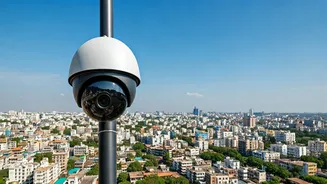
Bengaluru's law enforcement is evolving with the integration of Artificial Intelligence through strategic implementation of AI cameras. These cameras go
beyond mere recording; they use sophisticated algorithms to analyze data in real-time. This includes identifying suspicious activities, tracking vehicles of interest, and recognizing faces. The system can alert authorities to potential threats or violations promptly, allowing for proactive interventions. This shift marks a step towards smart city policing, where technology enhances officers’ effectiveness and responsiveness to maintain public safety. This allows the police to be more efficient, reducing response times and improving overall crime management. This proactive approach aims to create a safer environment and adapt to complex challenges in a rapidly growing metropolis.
AI’s Proactive Role
AI cameras in Bengaluru are used not only for responding to incidents but also for proactive crime prevention. By analyzing patterns and behaviors, the system can identify areas with higher crime rates or times when criminal activity is more likely. This allows police to strategically deploy resources. AI algorithms can identify unusual events, such as crowds gathering suspiciously or objects being left unattended, which can indicate potential security risks. Furthermore, these systems are equipped to recognize specific objects or behaviors of interest, for example, detecting weapons or vehicles involved in previous crimes. This proactive approach allows law enforcement to preemptively address potential incidents, making the city a safer place. By continually learning and adapting, AI enhances police capabilities and creates a more secure environment.
Enhancing Law Enforcement
The integration of AI cameras into the Bengaluru Police's operations streamlines several key aspects of law enforcement. Firstly, the technology significantly improves situational awareness by providing real-time data and actionable insights from numerous locations. Secondly, AI can assist in evidence collection. Video footage analyzed by AI can be used for investigations, providing critical evidence and helping to solve cases more efficiently. Thirdly, AI facilitates quicker and more effective responses by enabling police to immediately react to ongoing incidents. Finally, this technology also supports resource allocation by helping determine the best deployment of personnel and equipment based on real-time needs and crime patterns. AI-powered surveillance is transforming how Bengaluru Police operate, improving their efficiency and effectiveness in maintaining law and order.
Challenges and Considerations
While AI cameras offer numerous benefits, their implementation also brings critical challenges. One key area of concern is data privacy. Ensuring that the collected data is handled responsibly and ethically is essential. Policymakers must carefully consider and establish stringent rules for data storage, access, and usage to protect individuals' privacy. Moreover, the accuracy and reliability of AI systems depend on the quality of their data and algorithms. It's crucial to address issues related to potential biases in the algorithms and the need for regular updates to maintain their effectiveness. Finally, public perception and trust are vital for the long-term success of AI-powered surveillance. Transparency in operations and continuous public education can help ensure that the community accepts and supports this technology. These aspects must be addressed to ensure AI cameras benefit the community effectively.
Future Implications
The future of policing in Bengaluru will be profoundly shaped by advancements in AI technology. As AI systems become more sophisticated, they will be able to perform even more complex tasks. This may include predicting crime trends with even greater accuracy, assisting in more complex investigations, and possibly even enhancing police training. Moreover, AI has the potential to support the development of integrated security systems. These systems can bring together different technologies and data sources to create a unified view of city security. This will allow authorities to respond to security threats in a coordinated way. As AI continues to evolve, collaboration between technology developers, law enforcement agencies, and the public will be crucial to maximize its advantages, ensure public safety, and build a more secure future.