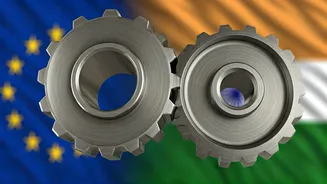






Revived Trade Dynamics
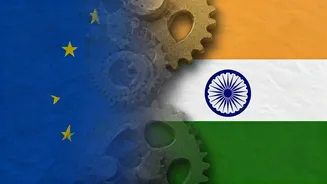
The resurgence of India-EU trade discussions was greatly influenced by evolving geo-economic conditions. Various factors, including shifts in global trade patterns
and the strategic needs of both India and the European Union, played a vital role in setting the stage for renewed negotiations. These developments highlighted the mutual benefits of strengthened trade relations, driving both parties to reassess their strategies and explore new avenues for collaboration. The changing landscape of international commerce provided a crucial incentive for dialogue, prompting both sides to prioritize the enhancement of their economic ties. As both India and the EU recognized the importance of diversifying their trade partnerships, the environment became more conducive to substantive discussions and a shared commitment to achieving mutually beneficial agreements. These factors converged to create momentum for the talks and steer them toward a successful conclusion.
Key Negotiation Drivers
Several critical drivers propelled the India-EU trade talks forward. The desire to diversify trade partnerships and reduce reliance on single-source suppliers was a primary motivator for both India and the EU. Both entities sought to boost their economic security by engaging in a broader range of global trade relationships. Additionally, the strategic importance of each region encouraged a willingness to strengthen their ties. These motivations fueled a mutual interest in a collaborative approach, creating a more favorable environment for productive negotiations. Geopolitical developments also influenced the negotiations, as both sides sought to navigate new world order dynamics. These elements acted as a catalyst, encouraging deeper engagement and ultimately supporting the talks' progress. The focus remained on fostering a strong and multifaceted economic relationship.
Outcomes and Achievements
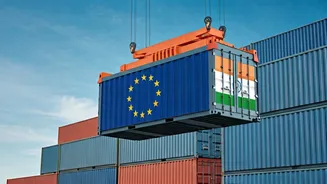
The India-EU trade talks culminated in several significant achievements. The agreement covered crucial areas like goods and services trade, investment promotion, and protection. Key outcomes included tariff reductions, simpler trade procedures, and increased market access for businesses on both sides. These enhancements facilitated a more streamlined exchange of goods and services, fostering increased economic activity and creating new opportunities for growth. The agreed-upon terms were meticulously designed to address long-standing trade barriers, streamlining operations for businesses across sectors. Furthermore, the agreement incorporated mechanisms to promote investment, thus attracting foreign capital and encouraging economic collaboration. The achieved outcomes represented a strong step toward a more integrated and mutually beneficial relationship.
Long-Term Implications
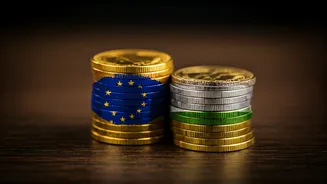
The long-term implications of the India-EU trade talks are quite substantial. For India, the agreement could lead to an upsurge in exports, greater foreign investment, and economic expansion. Improved access to European markets will enable Indian businesses to boost their global competitiveness and boost their profile on the world stage. Similarly, the EU stands to gain from increased market access, expanded investment opportunities, and a more diversified supply chain. Such gains could promote economic stability and foster a closer strategic partnership. The strengthened relationship is poised to impact a wide range of industries, promoting technological advancement, job creation, and economic prosperity for both parties. As the agreement is implemented, both India and the EU can anticipate a new era of intensified economic collaboration and mutual benefit.